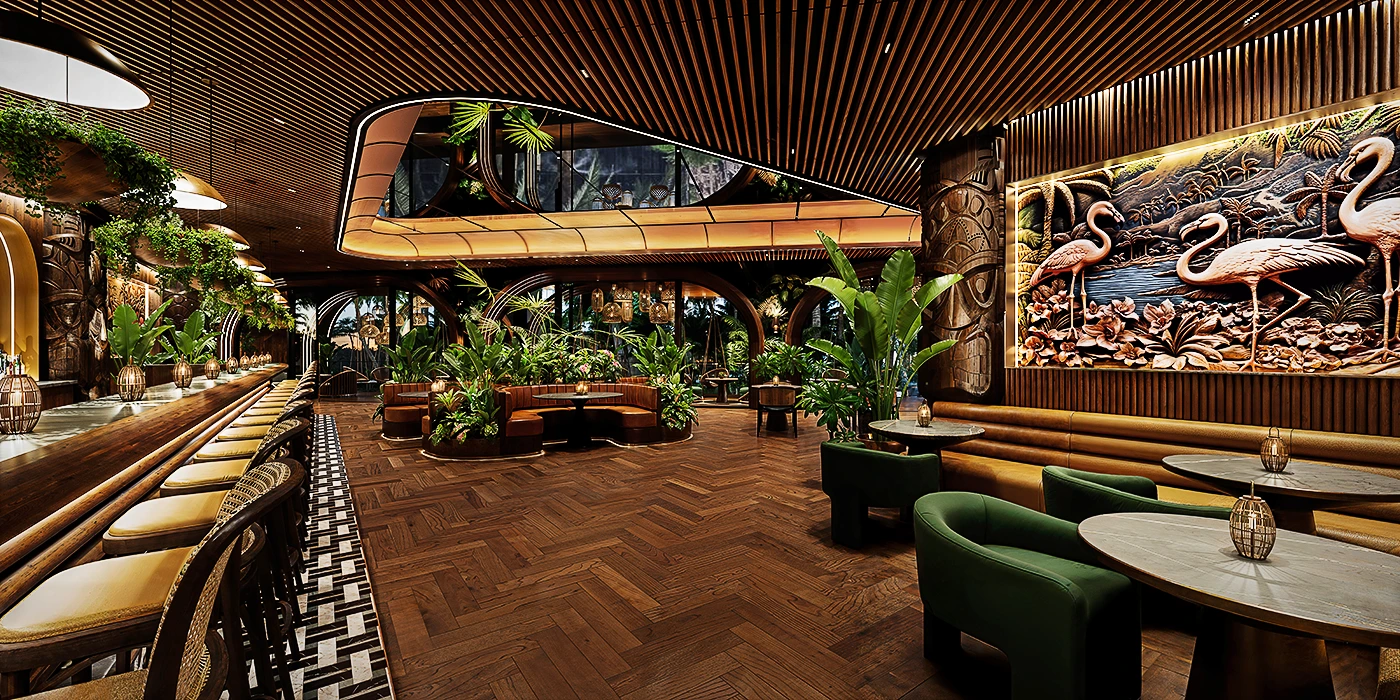
Designing Destinations in Real Time
How Live Visualization Sessions Transform Client Feedback into Immersive Hospitality Spaces Before Construction Begins

How Live Visualization Sessions Transform Client Feedback into Immersive Hospitality Spaces Before Construction Begins
For most clients, the transition from floor plans to finished spaces has always required a leap of faith.
Static renderings can show intent, but they often leave room for uncertainty. That’s where Matt Grivetti, interior designer at Shive-Hattery, is breaking the mold.
Matt specializes in real-time 3D visualization, inviting clients into the design process as active collaborators. Instead of waiting for days for slide decks of static images, stakeholders can explore their future spaces during live design sessions. Lighting, finishes, sightlines, and furniture arrangements can be tested, tweaked, and reimagined on the spot.
“Decisions that used to take days now take seconds.”
Clients can see multiple options come together in real time, mixing elements from different schemes, adjusting lighting, or testing finishes with just a few clicks.
From a shuttered casino to the region’s first land-based gaming destination, Live! Casino & Hotel Louisiana was reimagined with bold architecture, immersive entertainment, and luxury hospitality.
This approach isn’t just faster; it’s more engaging. Clients describe the process as “fun,” even “like a video game,” turning the decision-making into a collaborative, creative experience.
And the impact? Greater trust, fewer surprises, accelerated timelines, and spaces that truly reflect each client’s story and brand.
From hospitality venues like casino floors and restaurants to high-energy entertainment destinations, Matt’s philosophy is rooted in narrative and sensory engagement. Every project becomes a chance to craft a story through atmosphere, materiality, and brand immersion that resonates long before construction begins.
Matt: In the past, the process was slow. A client would tell us what they wanted, we’d model it, render images, and present static slides days later. That worked, but much of our time was spent producing presentation materials instead of designing.
Now, clients step directly into our models during live sessions. They see the space as we’re designing it. If they want to look at a specific element or ask, “What if we tried this finish or lighting level?” we can make those changes in seconds. Decisions that once took days now happen in real time. Clients feel like they’re part of the design team, and that ownership builds confidence.
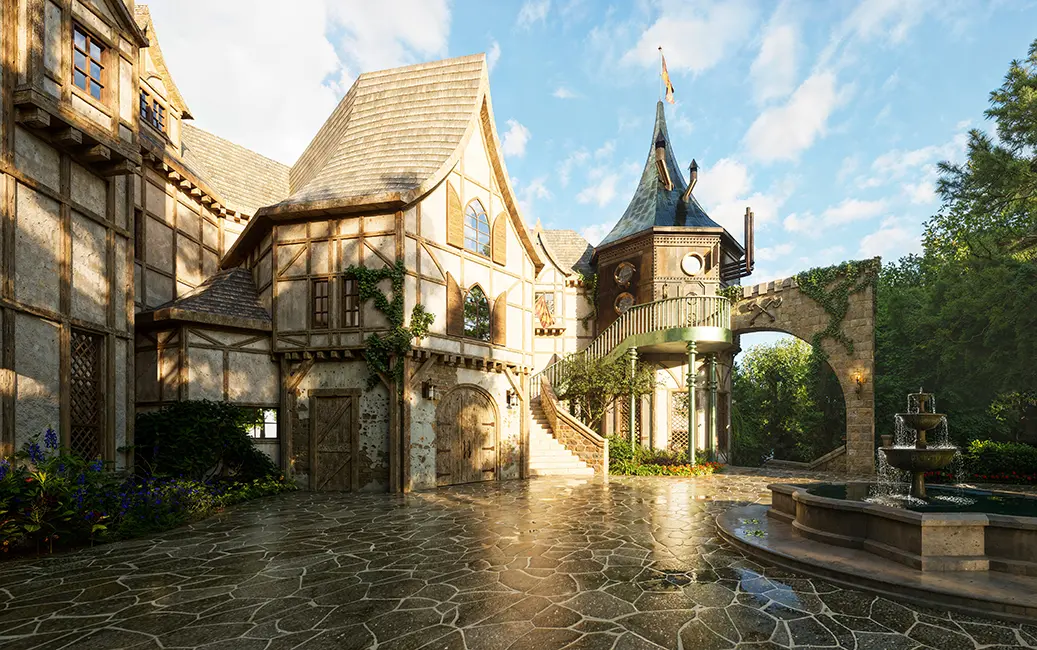
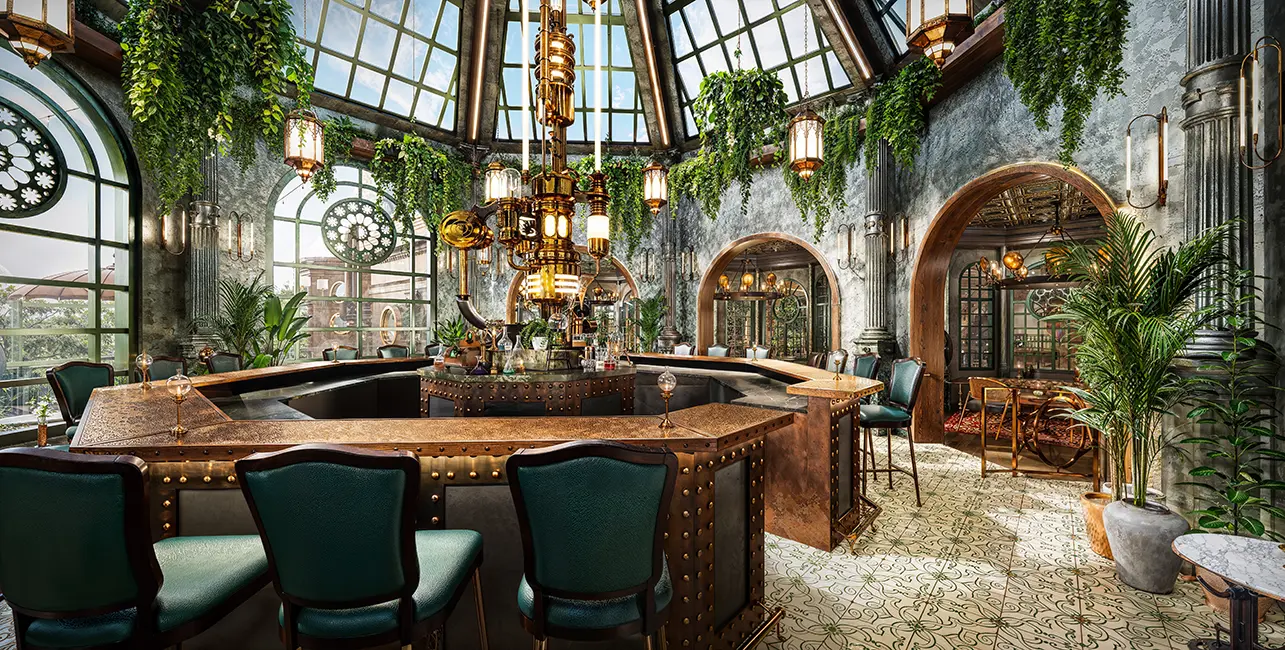
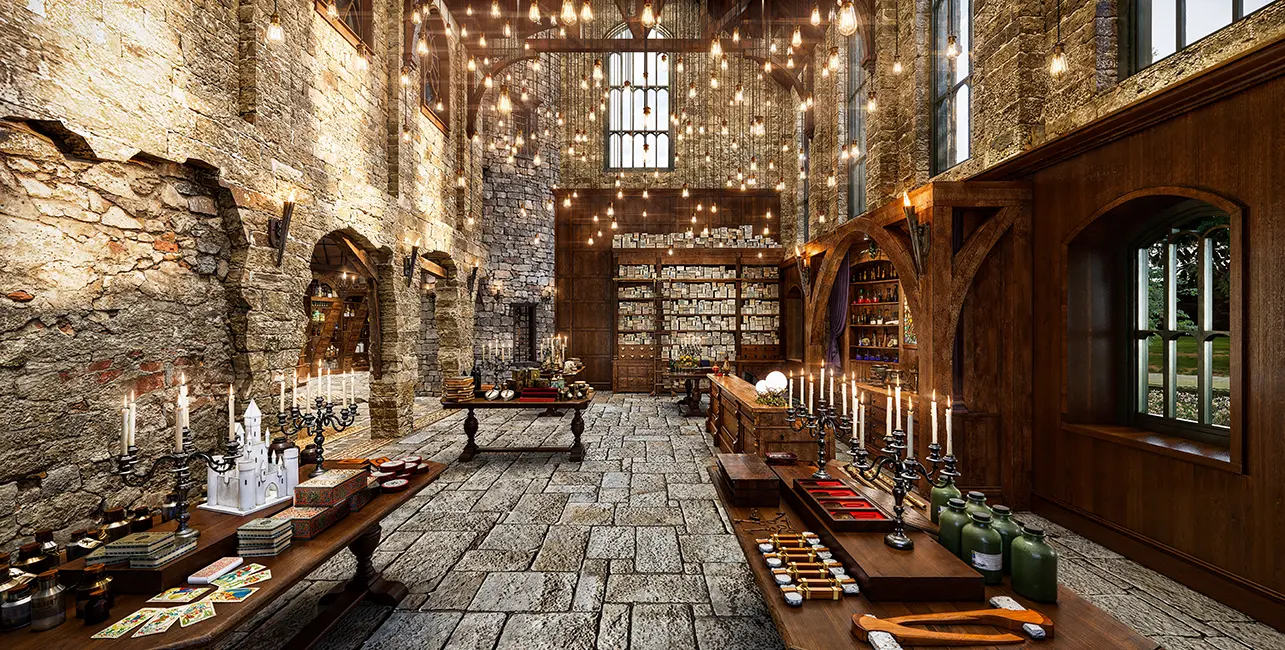
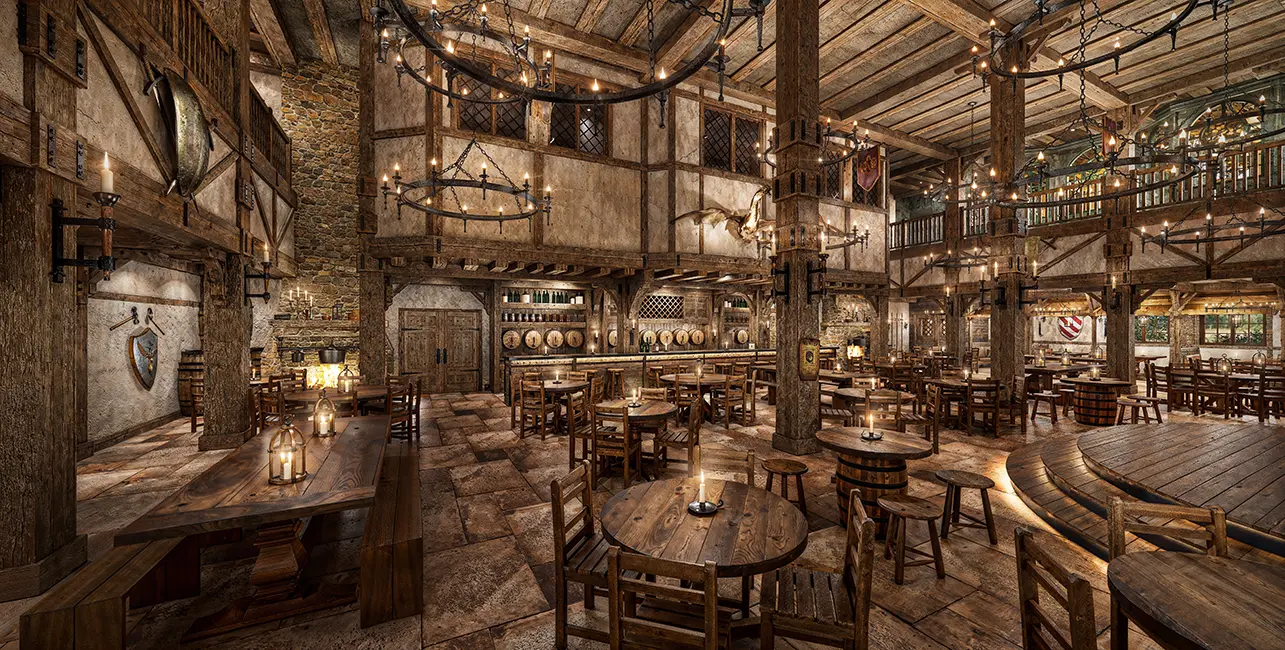
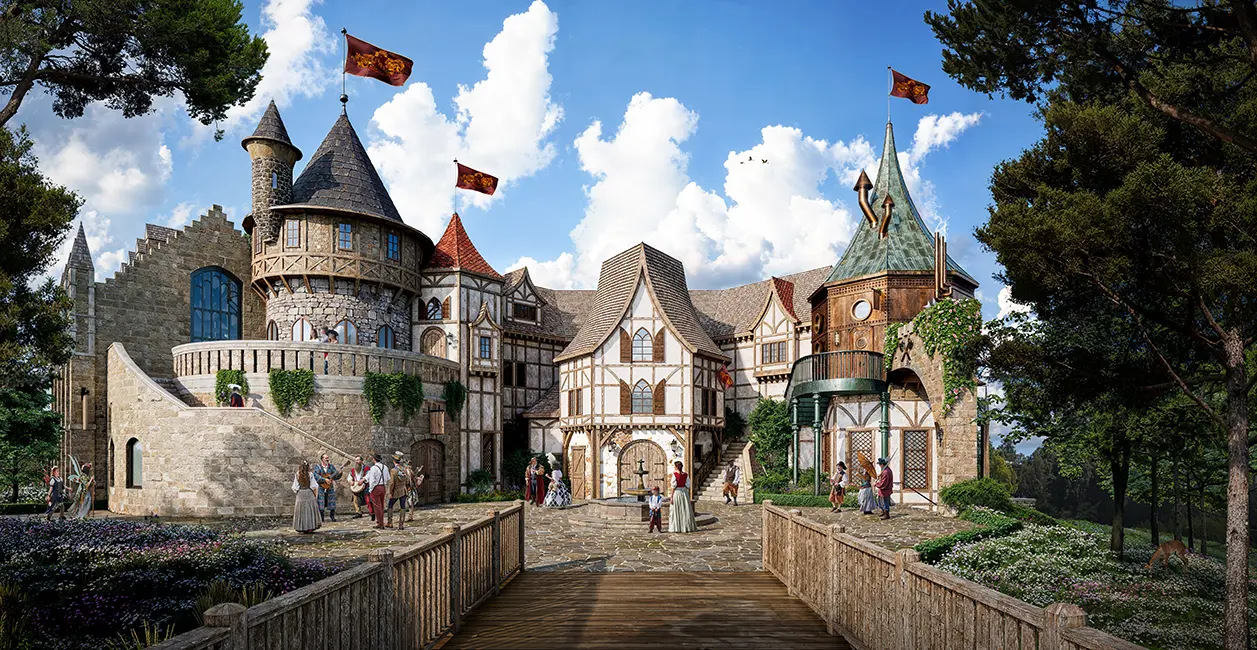
Step inside Griffin & Gargoyle, an immersive dining and entertainment concept inspired by Dungeons & Dragons. Detailed designs and visualizations are helping transform the founder’s bold vision into a destination.
Matt: Almost every time we open a live model, clients make decisions that improve the project. One recent hospitality project involved the exterior of a resort. The client wanted to experience the drive up to the property—sightlines past the pool, the casino entry, the hotel drop-off. We literally took them on that journey in the model.
At one point, they asked to see what it would look like if the entry portal screen was illuminated. We adjusted live on the call, and they loved it. That became the direction for the project. Instead of weeks of back-and-forth, we landed on a clear solution in minutes.
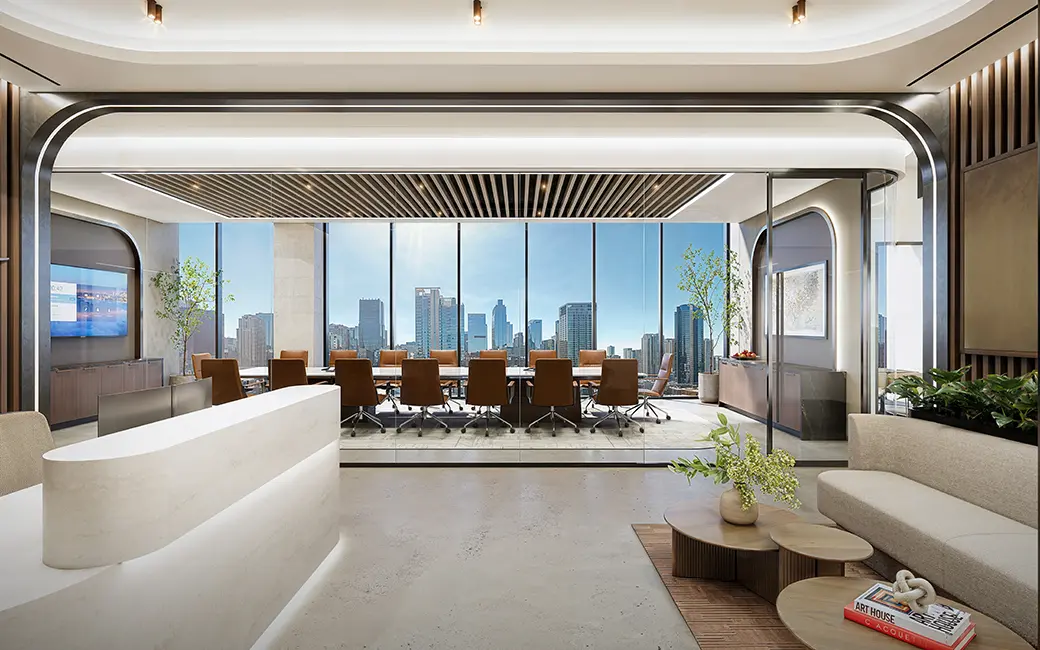
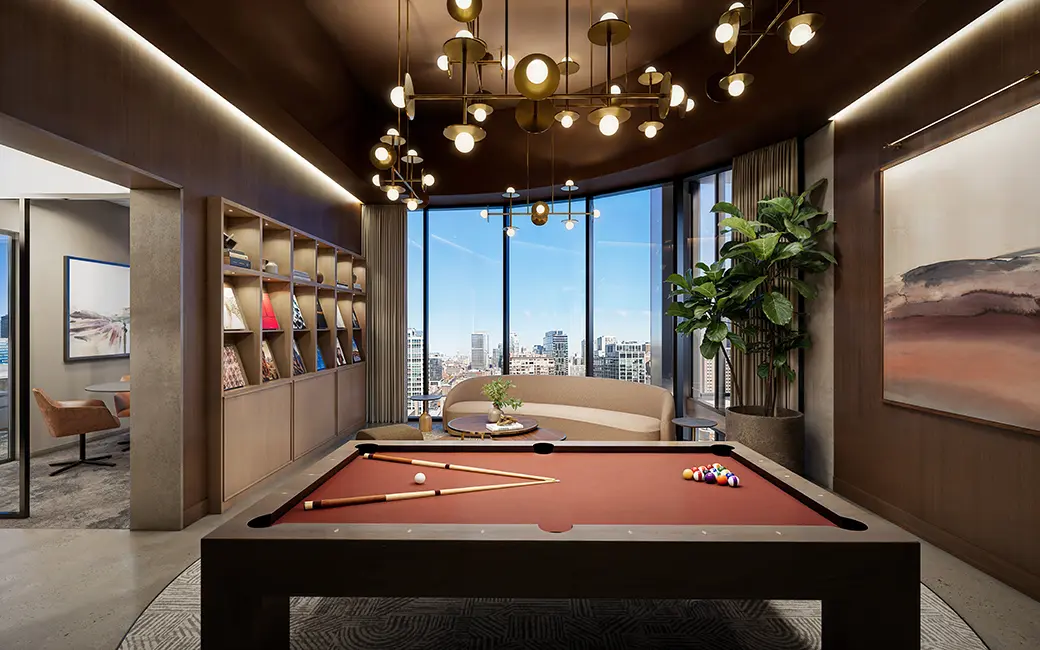
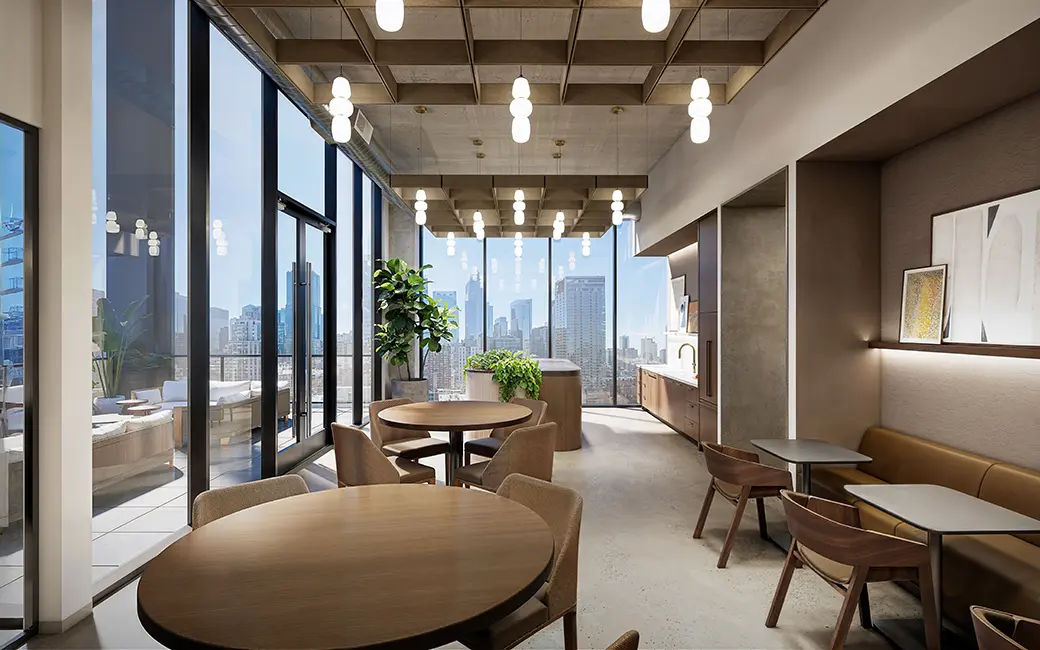
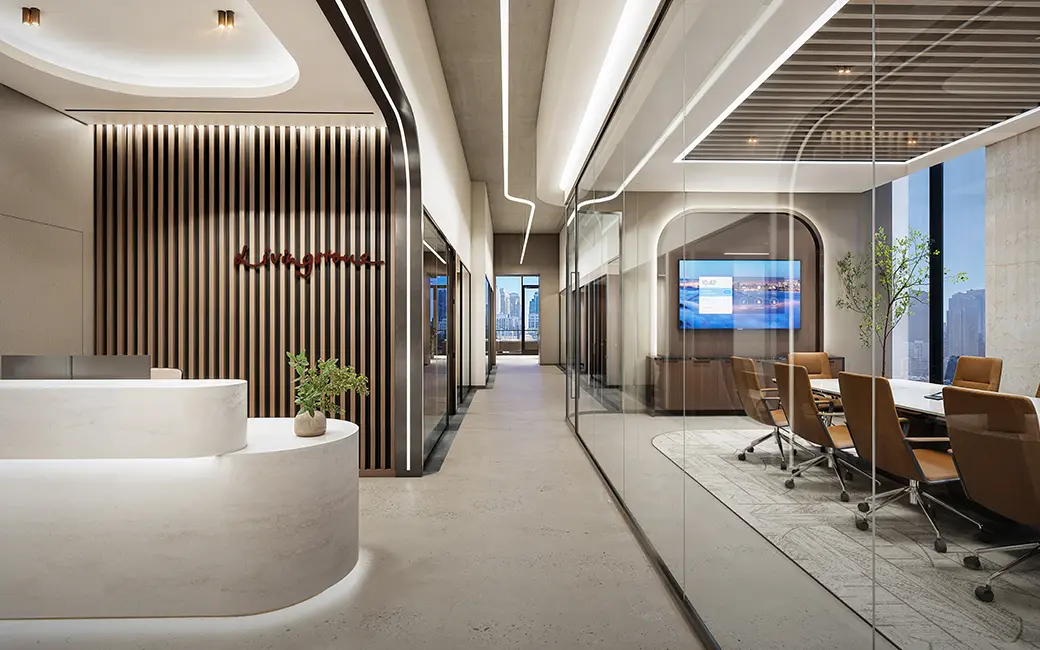
Reimagining 12,000 SF in Chicago’s River North, Shive-Hattery designed test fits and renderings for 311 W Huron St that showcase a modern workplace with skyline views, flexible collaboration, and inviting amenities.
Matt: Honestly, they find it fun. They walk through their future space instead of flipping through paint swatches or looking at a floor plan. It feels more like a video game than a meeting. For us, it’s an incredible way to show value. For them, it’s empowering and even enjoyable.
It also reduces surprises. Before, a client might walk into the built space and say, “This isn’t what I expected.” Now, with immersive walkthroughs, they know exactly what they’re getting. That peace of mind is enormous, especially when you’re spending millions on a project.
Matt: To me, good visualization goes beyond realism; it tells a story. For a sports venue, that might mean capturing a crowd’s energy, the scoreboard’s glow, and the atmosphere of game day. For a restaurant, it could be dim lighting, candles on tables, and textures that create intimacy.
Clients don’t get wowed by a floor plan. But the moment you show them a rendering or walk them through a space, they light up. They can imagine themselves—or their customers—there. That emotional connection is what makes visualization so powerful.
Matt: The key is to keep it fun. These tools can feel like play, which helps clients stay engaged instead of overwhelmed. We also guide the process by focusing on the marquee areas: the entry, the lobby, the spaces that matter most to their brand experience.
We don’t need to model every detail to help them make wise decisions. Clients can see the bigger picture without getting stuck in the weeds as long as the visuals are clean, clear, and immersive.
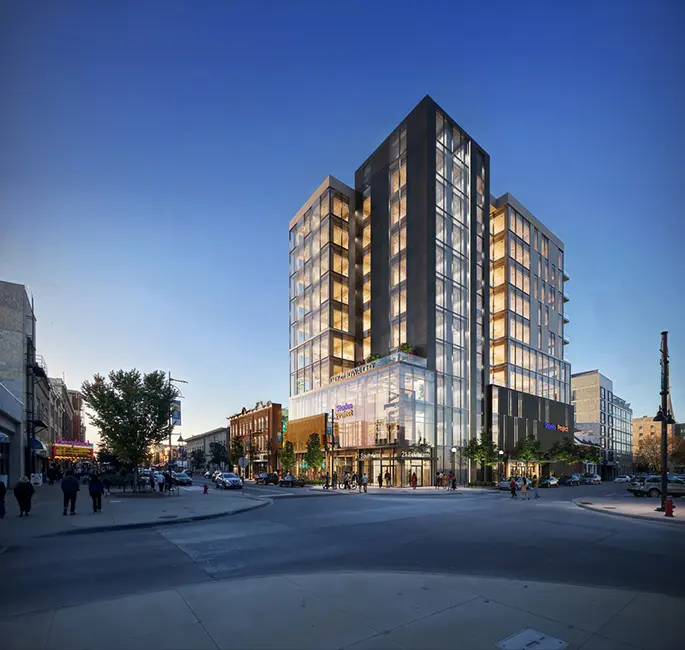
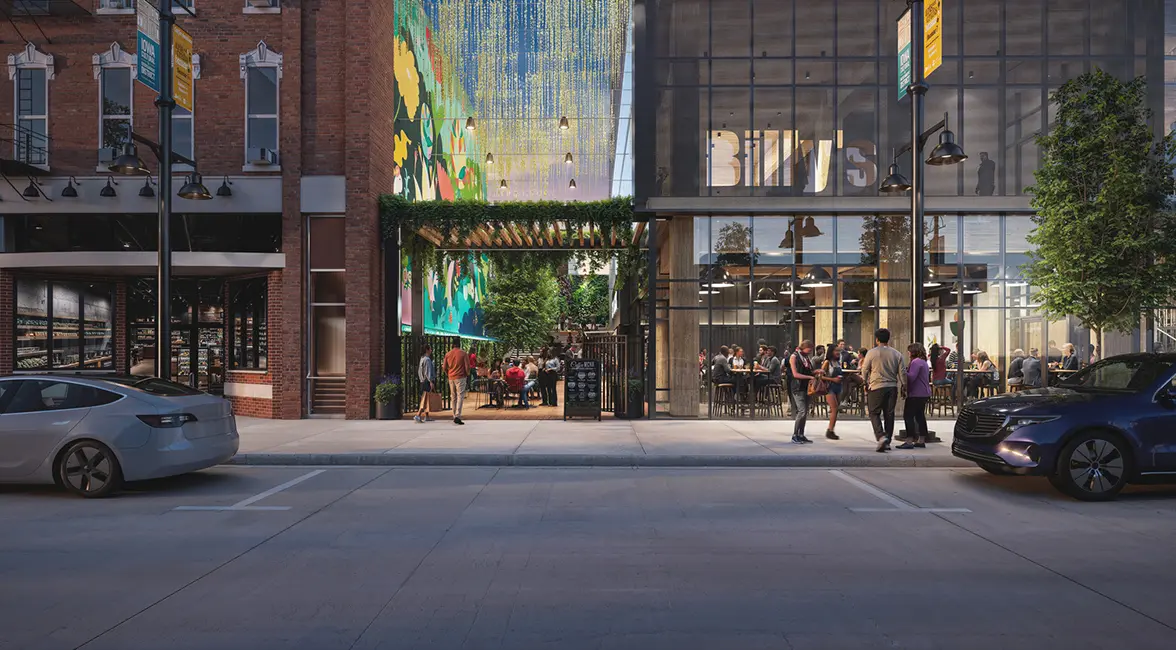
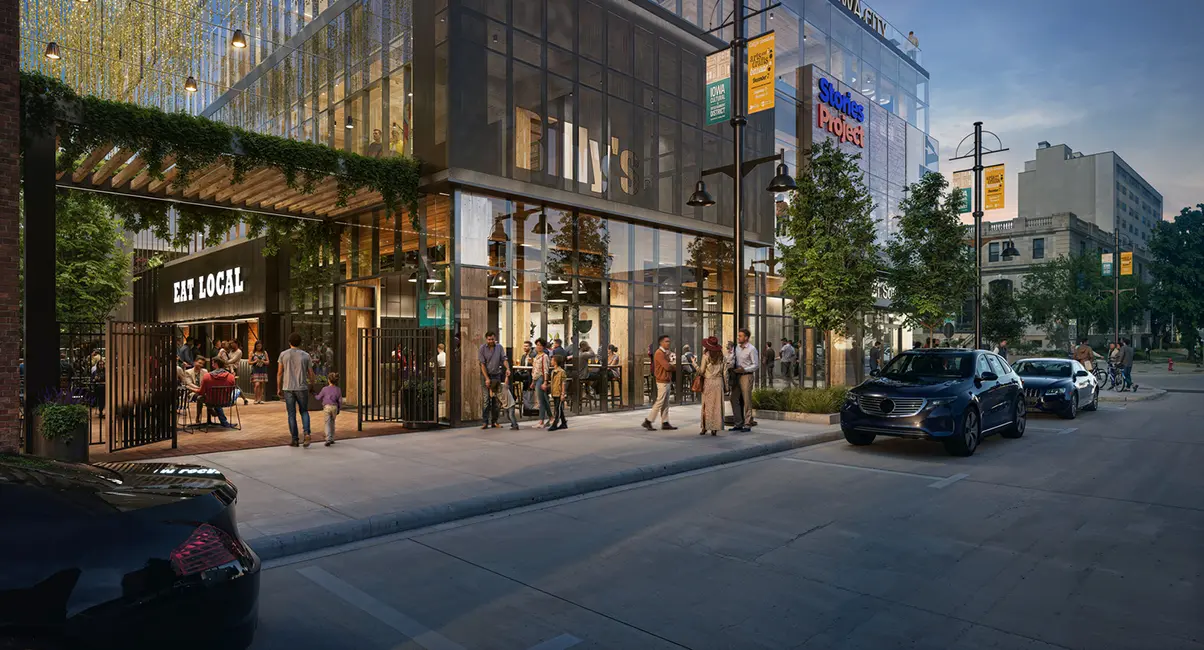
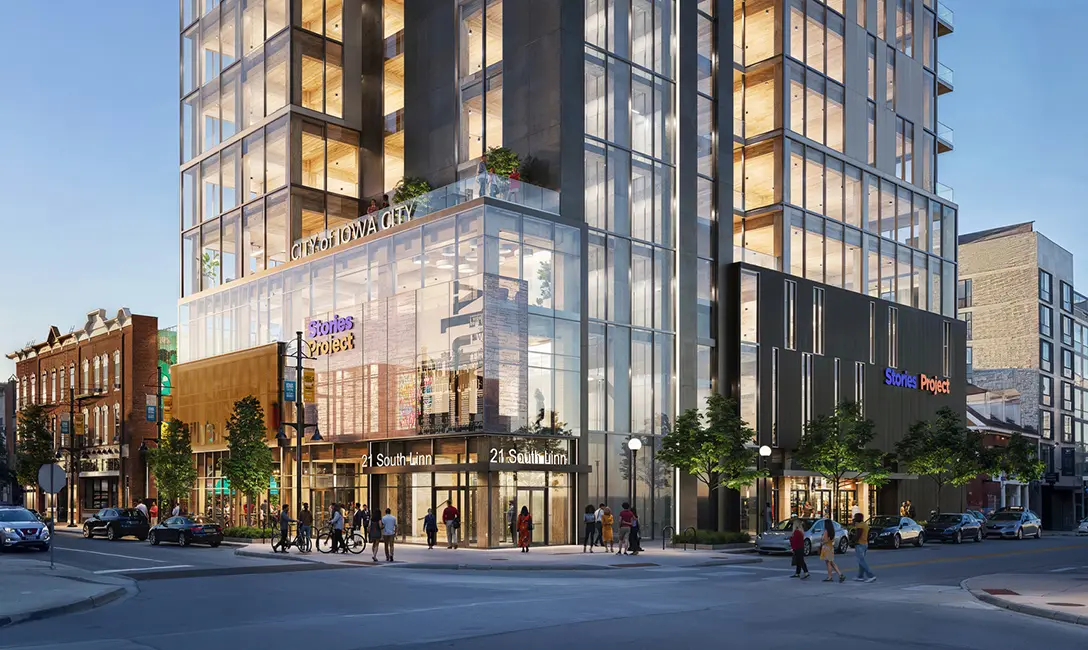
Concept design for a mixed-use redevelopment in downtown Iowa City, envisioning an active community hub with local retail, performance space, and mixed-income housing, all anchored in sustainability.
Matt: In the short term, AI will start to integrate directly into our modeling tools. That means we’ll be able to take space and instantly apply different styles—industrial, bohemian, mid-century modern—with the click of a button. The challenge will be curating all those options so clients don’t feel overwhelmed.
In the longer term, I think more of the technical documentation side will become automated, freeing designers to focus on creativity and storytelling. But no matter how advanced the tools get, there’s still no substitute for the designer’s eye. A rendering might look good, but only a thoughtful design process can make a project cohesive, functional, and emotionally resonant.
Matt: First, know which areas of your project matter most. If your budget is tight, focus on the spaces with the most significant impact, like the entry, lobby, or key hospitality features.
Second, ask about deliverables. Do you want static images, live walkthroughs, or 360° views? Different tools come with different costs and flexibility.
Finally, understand how revisions work. Unlimited edits are expected on large projects, but smaller projects can burn through budgets quickly if the scope isn’t clear. Ask how many rounds of edits are included and how the team handles changes. That transparency will save a lot of headaches.
Matt: Because it pays for itself many times over. A compelling rendering can secure funding, rally stakeholders, and speed decision-making. It builds trust, reduces surprises, and helps clients sleep at night knowing exactly what they’ll get.
At the end of the day, visualization isn’t just about pretty pictures. It’s about clarity, confidence, and storytelling. And when clients feel they’re willing to invest more—not just in the design, but in their entire vision.

Matt Grivetti is a passionate interior designer who specializes in crafting immersive environments tailored to the visitor experience, transforming ordinary spaces into unforgettable destinations.
Using advanced rendering tools, Matt collaborates with clients in live working sessions—translating ideas, feedback, and inspiration into fully realized environments on the spot. This interactive process fosters trust, accelerates timelines, and empowers clients to shape their spaces with confidence and clarity. Matt’s work balances durability, functionality, and emotional impact—creating hospitality experiences that engage, inspire, and leave a lasting impression.
Stay in Touch for Monthly Shive-Hattery Industry Insights