
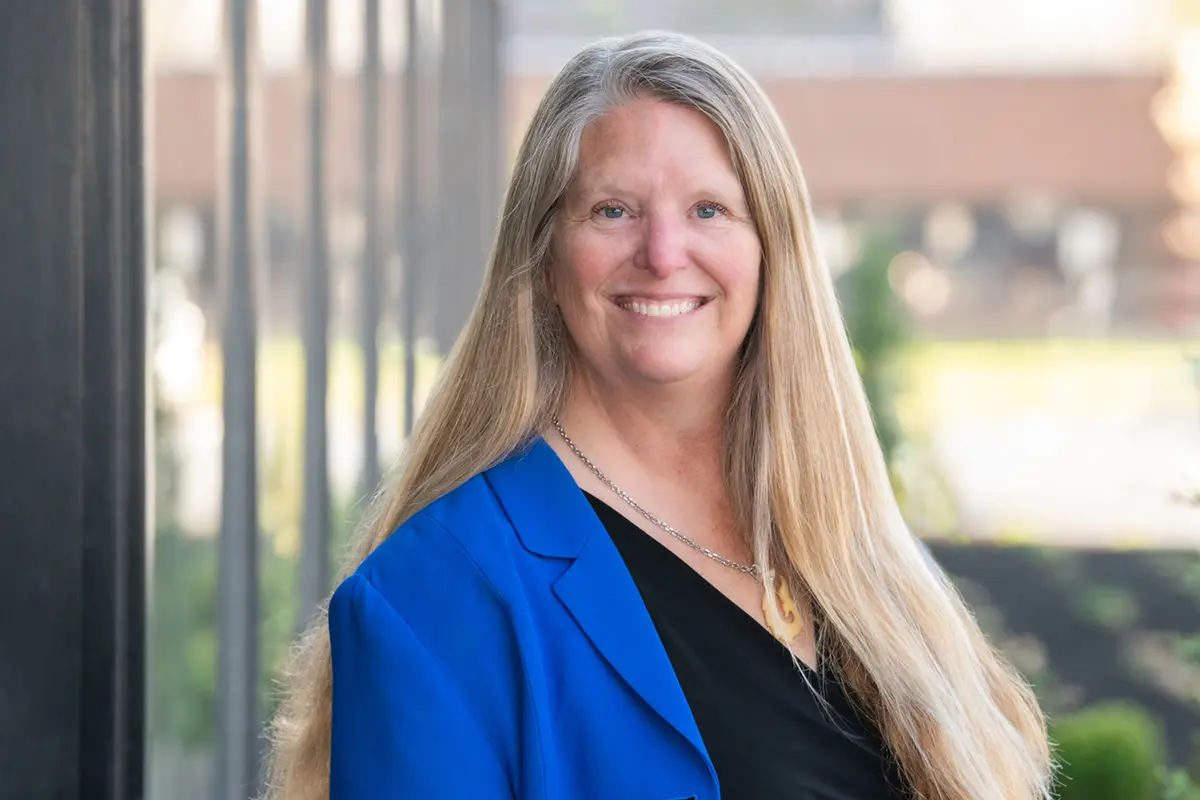
With more than 21 years at the Metropolitan St. Louis Sewer District (MSD), Leslie Sawyer understands what makes complex infrastructure projects succeed — and what causes them to struggle.
As she begins her next chapter with Shive-Hattery, she shares her perspective on collaboration, community engagement, and protecting what makes a site valuable.
During your 21 years at the Metropolitan St. Louis Sewer District, what were the common elements to delivering successful projects?
Successful projects are built on respect, listening and shared understanding.
At MSD, regardless of who initiated a project, that person was invited to the Preliminary Design meeting. That was intentional.
“The individuals closest to the problem often knew what was going wrong — even if they didn’t yet know why.”
Their field experience was invaluable, and it was respected.
Those meetings also included representatives from Construction, Right-of-Way, Operations, and anyone with direct experience in the project area, whether from previous work or known issues. Everyone had a valued seat at the table and was encouraged to speak candidly about potential challenges.
That early collaboration created alignment around the project’s focus and set a strong foundation. Many would call that the “soft side” of project delivery. In reality, it’s one of the most critical components of success.
How do you decide who should be at the table for a project?
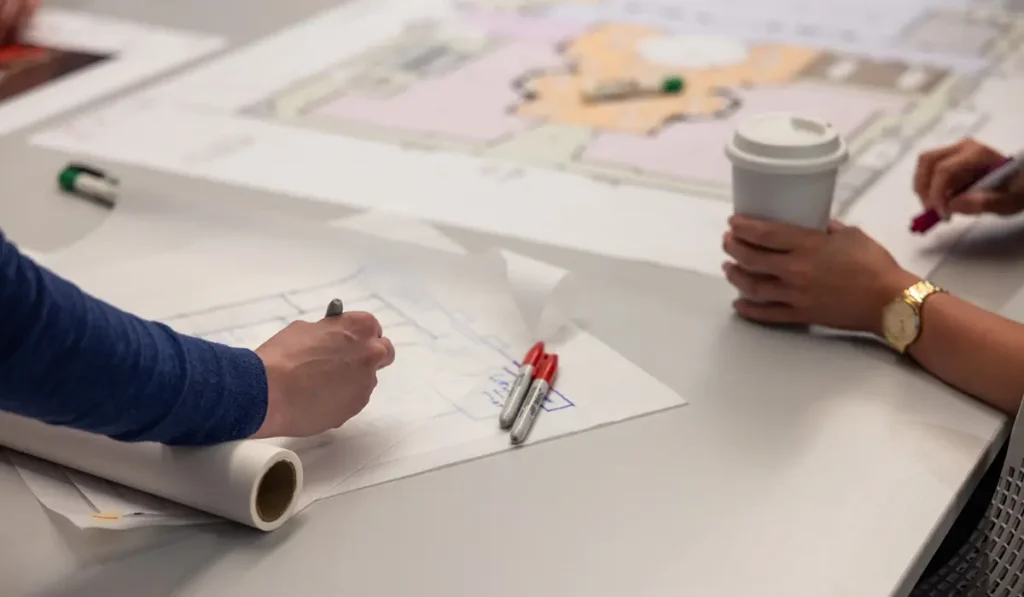
Every project is unique, and the designer’s role is to be observant and open-minded.
Stakeholders can include municipalities, parks departments, utility providers, private companies and residents, but identifying the right voices requires awareness. For example, if a municipality places a high value on its tree canopy and a project may impact mature trees, engaging the Parks Department early is essential.
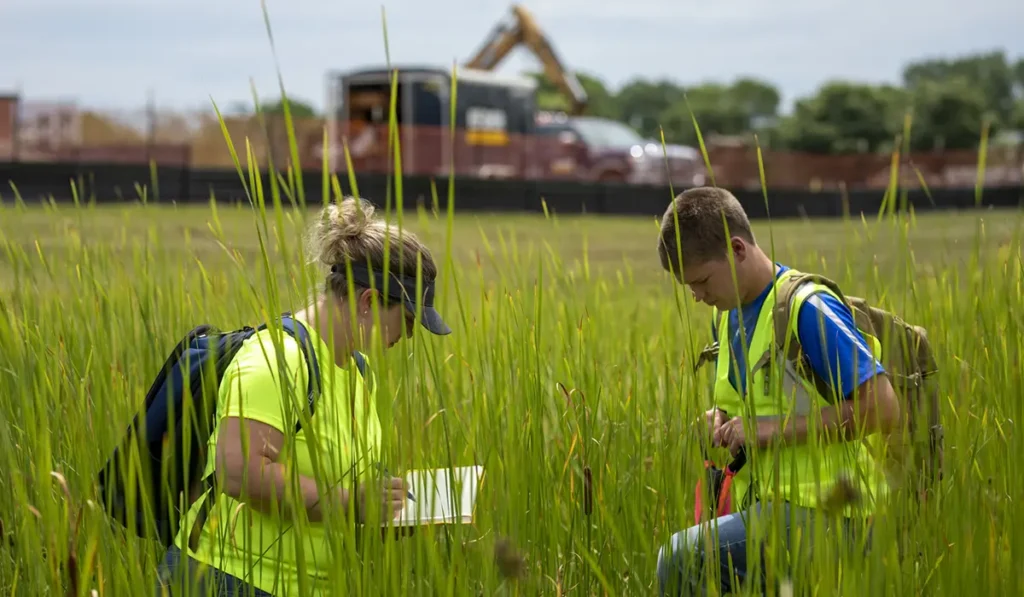
“Site visits are especially important. While they provide only a snapshot in time, conversations during those visits can reveal much more.”
A neighbor who has lived in the area for 25 years can offer insights no drawing or survey can capture. Earning their trust — and listening carefully — often reveals underlying challenges and opportunities.
The key is thoughtful listening. When you truly hear what people are saying, you can determine who else needs to be involved and direct research where it will be most beneficial.
Neighbors are important stakeholders. What do you recommend for involving people near a project?
“It depends” isn’t always the answer you want to give, but in this case, it applies.
Start by interviewing those who have a stake in the project, and even those who perceive they have one. Perception matters. These early conversations help gauge support, uncover concerns, and identify areas that need more attention.
If support isn’t there, it’s important to pause and understand why. Sometimes one-on-one conversations are more effective than public meetings. In other cases, a well-structured public meeting is appropriate.
When public meetings are held, format matters.
“Breaking into stations or smaller discussion groups can encourage more meaningful exchanges than a single large, less productive conversation.”
The goal is simple: gather information in a way that sets the project up for success.
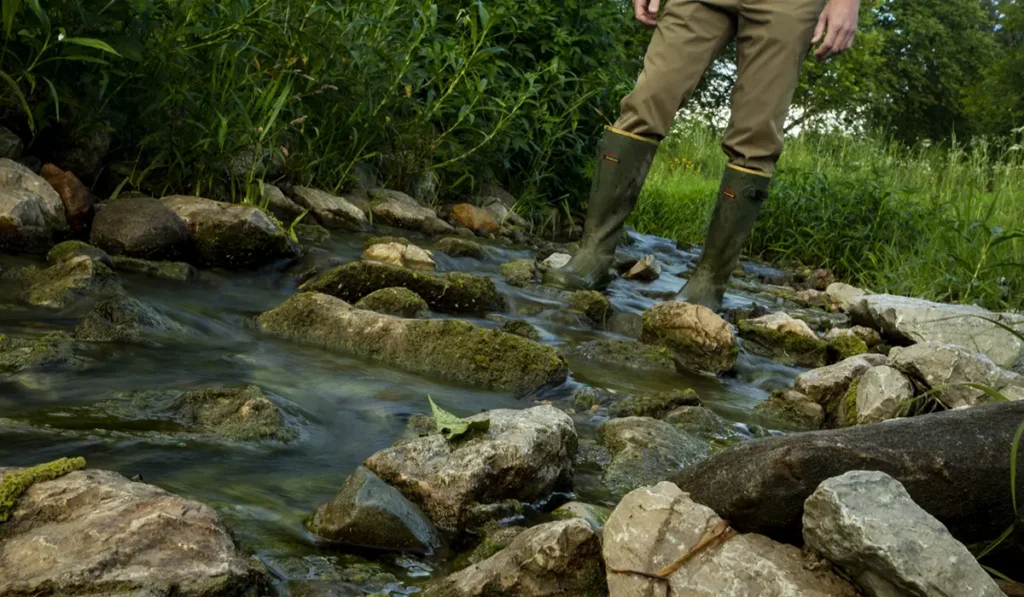
Many projects balance sustainability and development. How do you protect a site’s inherent value while meeting project goals?
Every site has inherent value. You just have to look for it.
Streams, easements, topography, soil conditions, mature trees, natural visual buffers — these are assets, not obstacles. Ignoring or negatively impacting them can be costly and can create unnecessary opposition.
“The most successful projects flow with these assets rather than fighting against them.”
That doesn’t mean every asset can always be preserved. There are times when trade-offs must be made. But those decisions should be intentional and made collectively by the team, with clear reasoning aligned to the project’s focus.
Intent matters. When decisions are made thoughtfully and transparently, they are much easier to explain and support.
What are you most looking forward to with Shive-Hattery?
I’m looking forward to working alongside clients to identify win-win scenarios — leveraging experience, relationships, and collaboration to serve communities well.
This next chapter is about bringing people together, aligning around shared goals, and delivering projects that are both technically sound and thoughtfully executed.
“This next chapter is about bringing people together, aligning around shared goals, and delivering projects that are both technically sound and thoughtfully executed.”
- Leslie Sawyer, Environmental Engineer
Share

Related