“Start at the Beginning” Why Compliance Slips and How to Get Ahead of It
When an Environmental Health and Safety (EHS) Specialist is involved from the start, compliance becomes a process, not a problem.

Environmental compliance is only getting more complex.
When compliance is left out of early project planning, the result can mean costly fines, operational delays, and unexpected downtime.
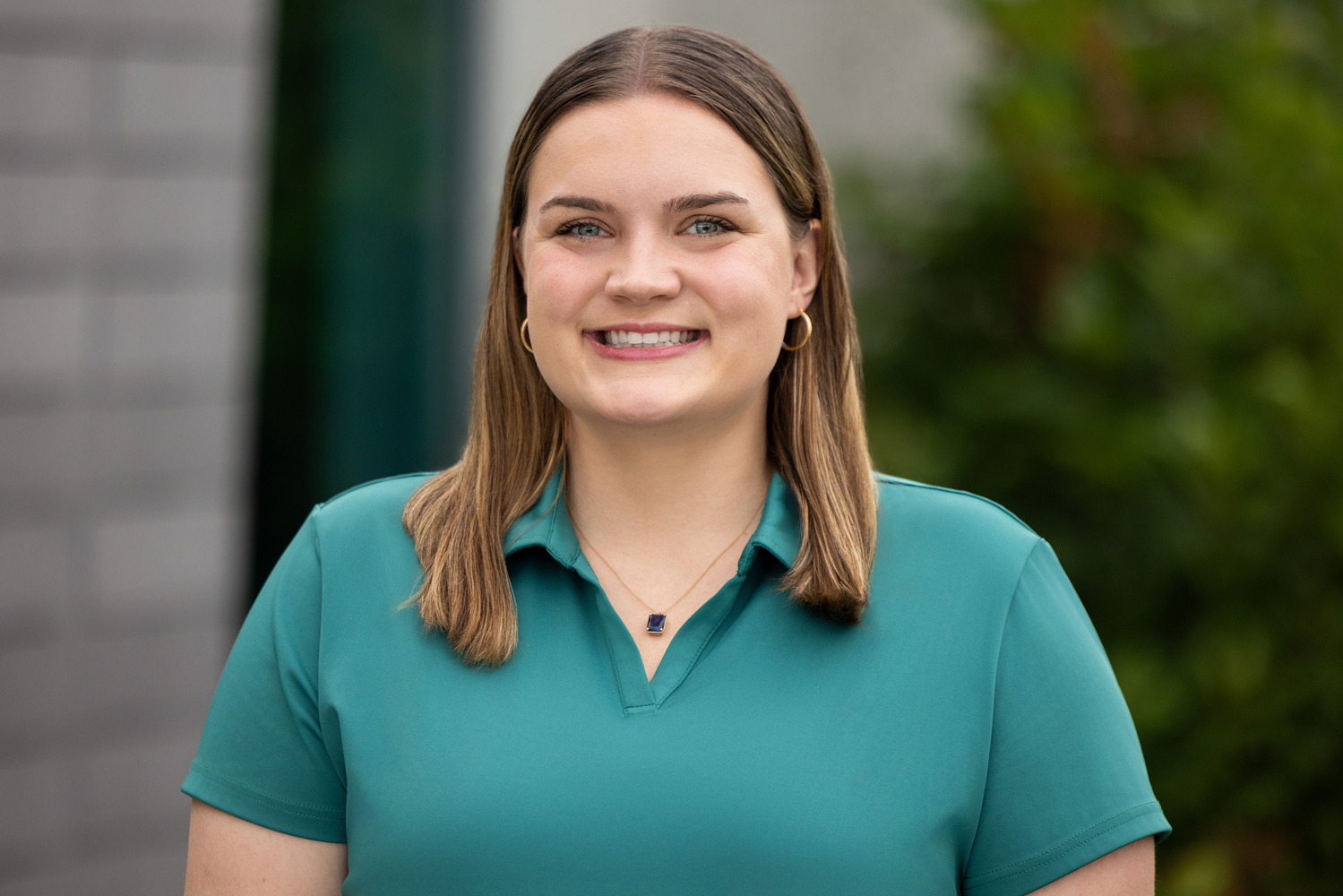
Lexi Pratt, Ph.D., has seen this firsthand. As an Environmental Compliance Specialist at Shive-Hattery, she works with manufacturers to help them navigate regulatory complexity before it becomes a problem. Her advice: start early, stay ahead.
“It’s a lot easier to do our job when we’re involved at the beginning,” Pratt says. “Environmental services need to be baked in before a new line starts running or the facility expands. Waiting until the end is what creates the problems.”
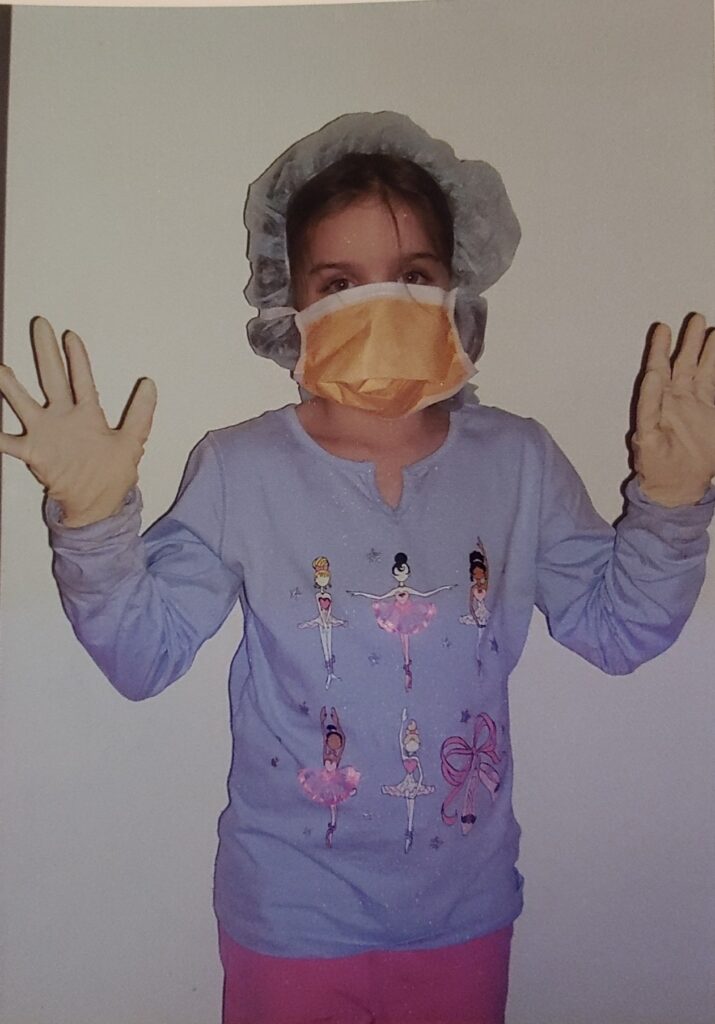
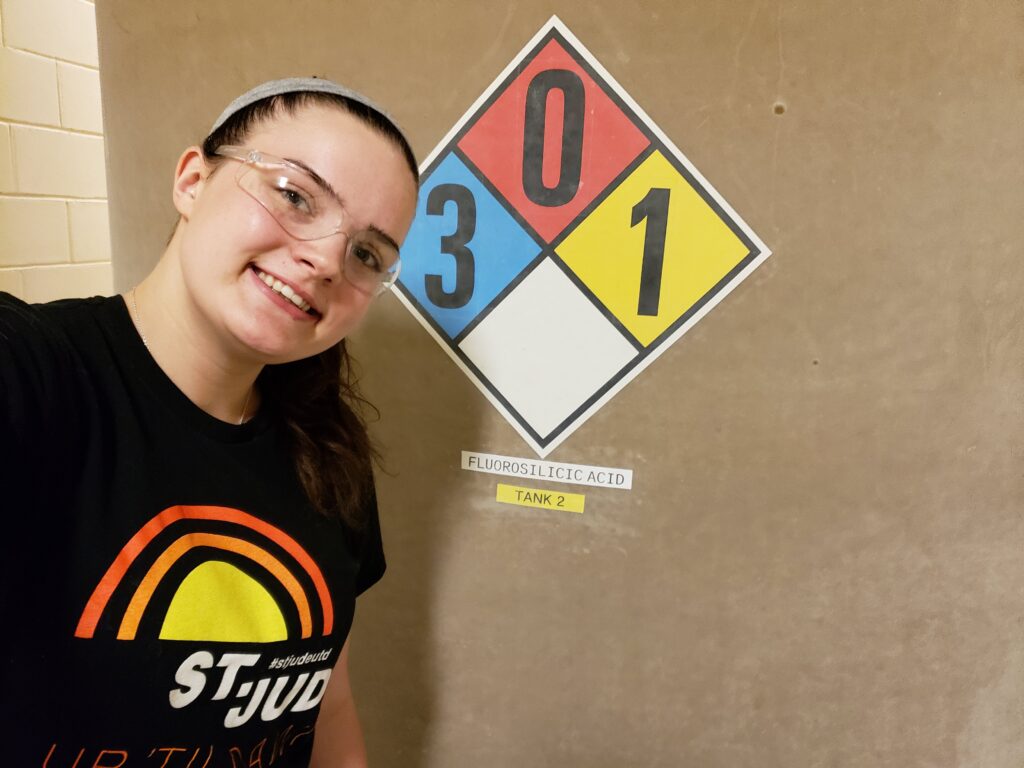

Pratt’s path was shaped by where she grew up. Raised outside Lake Placid in the heart of the Adirondack Park, she was always outside. “I was the type of kid you had to yell at to come in at night,” she said. “I was always creating my own science experiments outside, driving my parents crazy in the process.”
By 16, she had tested out of her high school and moved on to college. One of her first projects was comparing air emissions and pollutants between biomass boilers and typical fuel boilers. This project started her love of air science and particle physics. She decided to move to Iowa City to pursue her Master of Science in Industrial Hygiene at the University of Iowa. Her thesis focused on modeling the deposition of aerosols in the respiratory tract.
She would go on to earn a Ph.D. in occupational and environmental health. Her dissertation focused on virus and particle transmission in hospitals between infected patients and healthcare professionals. She used her knowledge of aerosol science and ventilation design to create a unique “negative pressure face shield” to protect healthcare workers during the COVID-19 pandemic.
After her Ph.D., Pratt spent three years at the U.S. Department of Veterans Affairs as a postdoctoral scholar where she analyzed the health effects associated with soldiers’ exposure to burn pits and other occupational hazards. She now applies her expertise in indoor and outdoor air quality to the industrial world, where every decision can affect workers, communities, and compliance standing.
What is an Environmental Health and Safety Specialist?
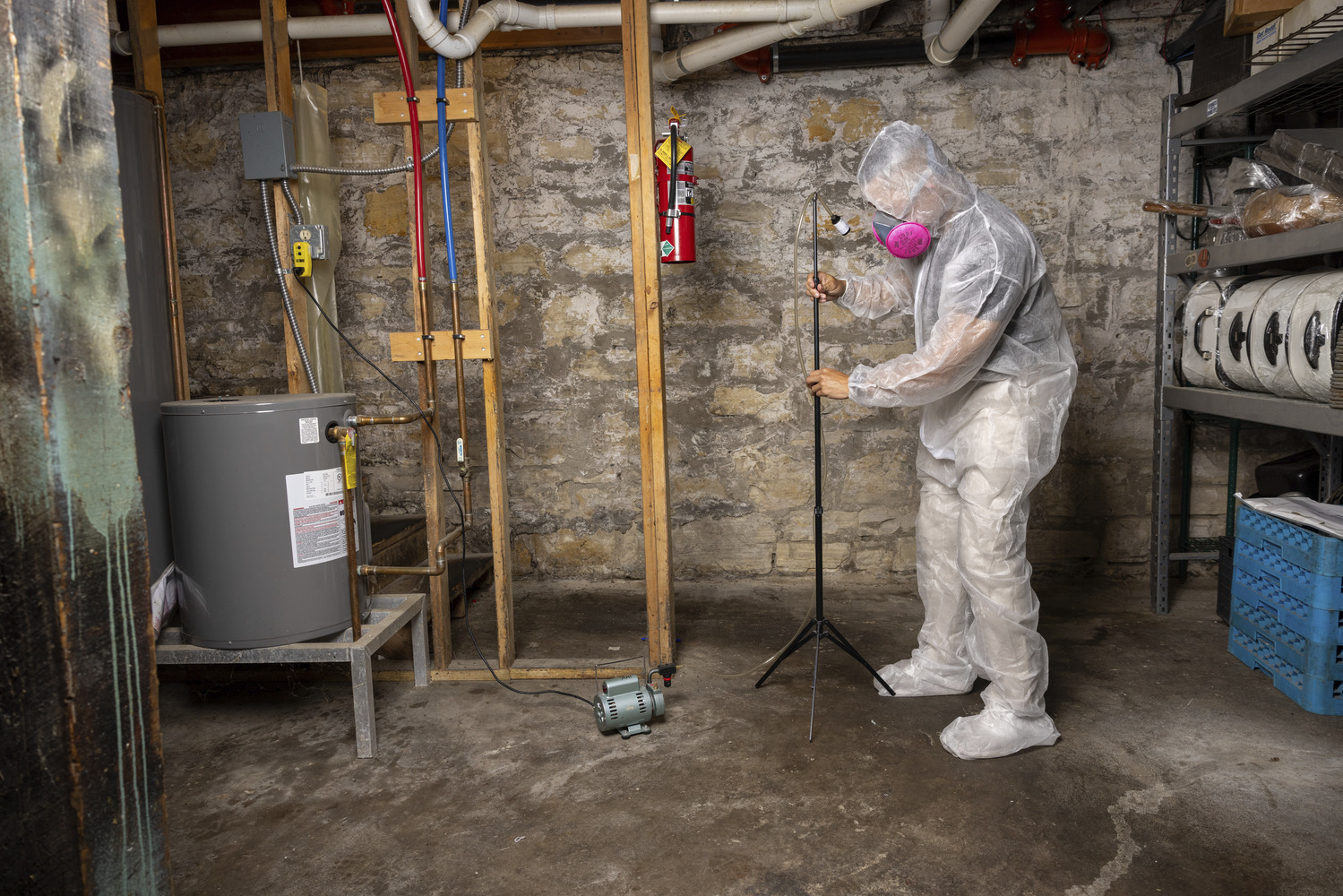
An Environmental Health and Safety (EHS) Specialist works to protect workers, communities, and operations from environmental and safety risks. That includes monitoring regulatory compliance, conducting industrial hygiene assessments, leading incident investigations, delivering training, and supporting audits. For many facilities, having dedicated EHS expertise, whether in-house or through a consulting partner, is what keeps operations running and people safe.
Today, Pratt focuses on air quality compliance—from permitting boilers and cooling towers to helping major industrial players calculate emissions and meet evolving state and federal standards. A large part of compliance is simply staying up to date.
“Regulations are always changing,” Pratt explains. “Understanding what applies to your site is hard. Add growth, new equipment, or construction to the mix, and it gets even more complex.”
But complexity is where Pratt thrives. “I enjoy the problem-solving aspect of it. They’re all such unique facilities,” she explains.
“When clients are looking at the regulations and paperwork and annual reports to file and just feeling overwhelmed, that doesn’t help anyone. We’re here to help simplify that and make the right thing to do, also be easier.”
Common pitfalls she sees most often:
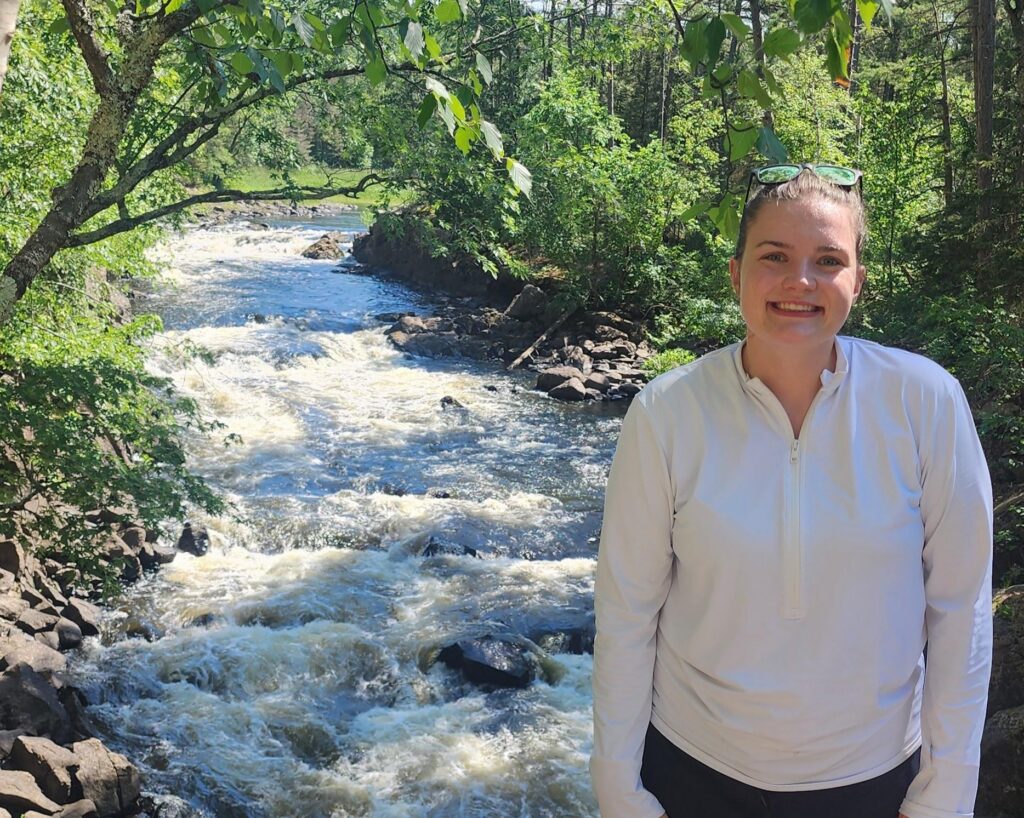
Pratt supports clients not only in ongoing compliance, but at the beginning of projects, where the impacts can be huge:
If you’re a plant manager or environmental health and safety leader working on a project like this, don’t wait to bring environmental strategy into the conversation.
“Environmental services need to be baked in before a new line starts running or the facility expands,” Lexi says. “It’s a lot easier to do our job when we’re involved at the beginning. Waiting until the end – when you’re having to redesign systems or respond to penalties – is what creates the problems.”
From Urgent EHS Support to Long-Term Partnership
Sometimes the fastest path to EHS compliance isn’t a new hire. It’s the right partner.
A large food manufacturer needed air compliance support quickly. While they searched for an in-house Environmental Health and Safety (EHS) hire, they needed experienced support in place to keep operations moving.
Shive-Hattery stepped in with:
The manufacturer filled the in-house role and kept Shive-Hattery on as a long-term partner. Today, the team continues to monitor compliance, prepare for new projects, and work through regulatory changes together.

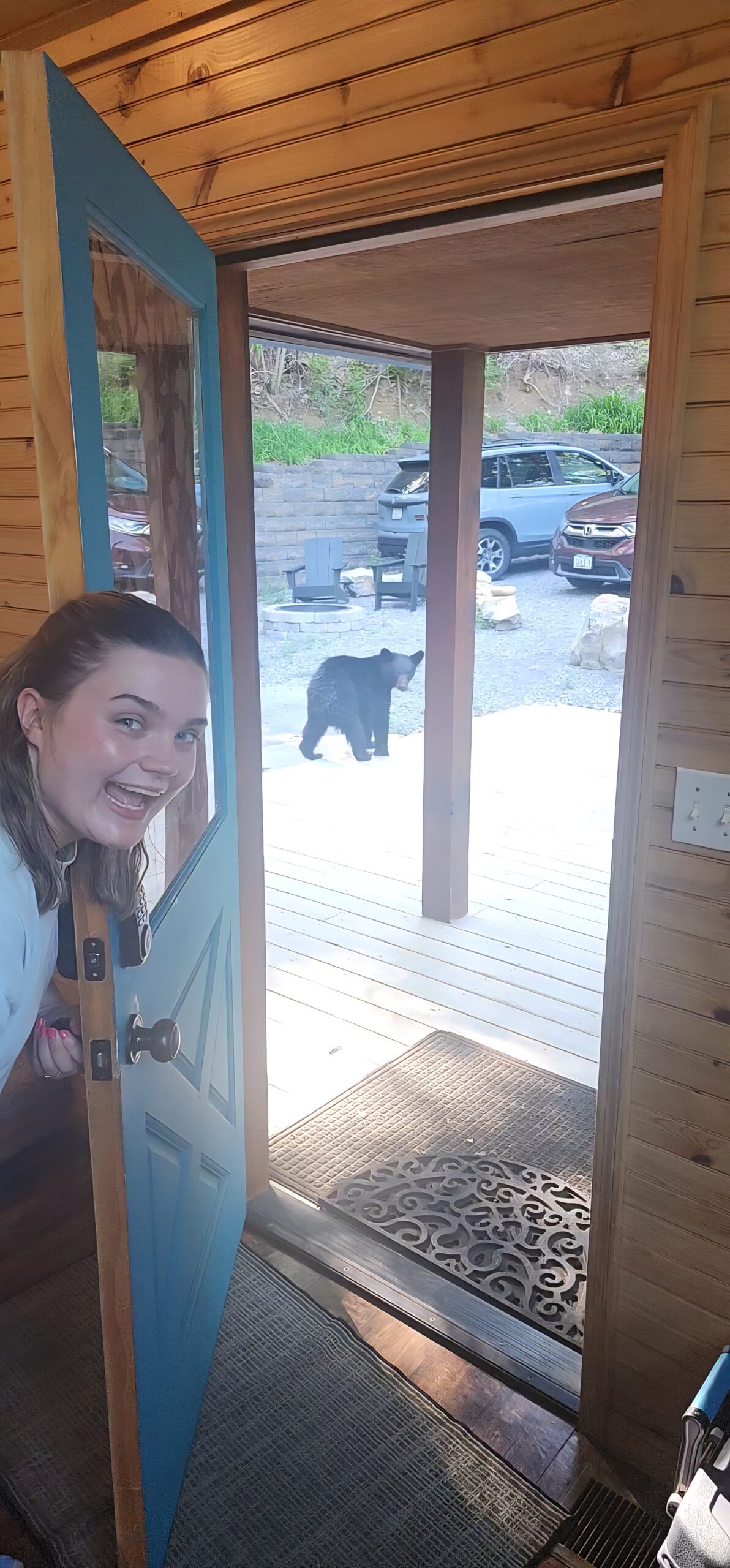
When she’s not decoding regulations, Pratt is usually outdoors. She and her husband are on a mission to visit all 63 U.S. national parks. They’re at number 20.
Ask her about the time a black bear wandered into her family’s Smoky Mountain cabin and made off with the their lunch and you will see the same enthusiasm that she brings to every project.
Lexi Pratt and the rest of the Shive-Hattery Environmental Services team partners with clients throughout the project lifecycle. From Title V Air Permits (the Clean Air Act’s major source operating permit program) and dispersion modeling, to on-site support and emergency response, our team is positioned to help your projects stay on track and your operations stay compliant.
Our team of environmental engineers, scientists, and industrial hygienists can support you with:
Whether you’re at the start of a project, mid-construction, or managing ongoing operations, Shive-Hattery is here to help create solutions that protect both workers and the surrounding communities.
Want a quick reference for what environmental compliance covers specifically relating to industrial clients?
