Designing Healthcare for Humans and Animals
A Conversation on Veterinary Clinic Design

A Conversation on Veterinary Clinic Design
Designing a healthcare space is always about people—but what happens when your patients can’t speak?
In veterinary clinics, designers balance the needs of animals, their owners, and care teams — all within emotionally-charged environments.
Design Professional Nathalie Chapman and Interior Designer Natalie Mallory share how animal healthcare design is evolving and what it can teach us about creating better experiences for everyone.
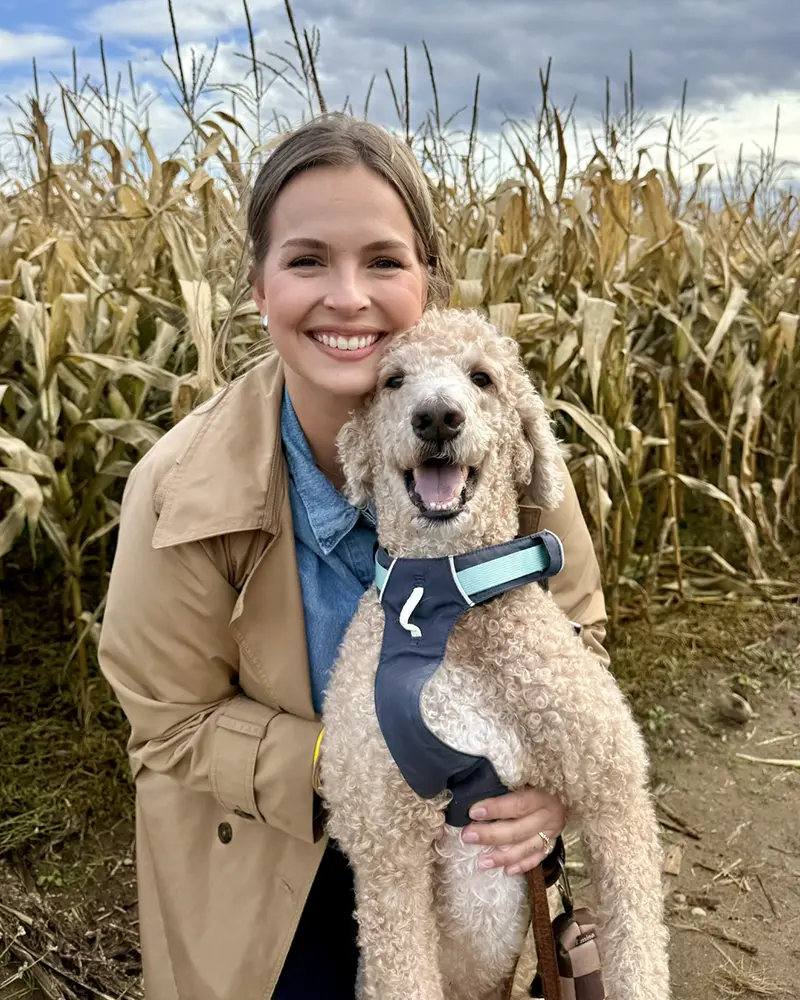
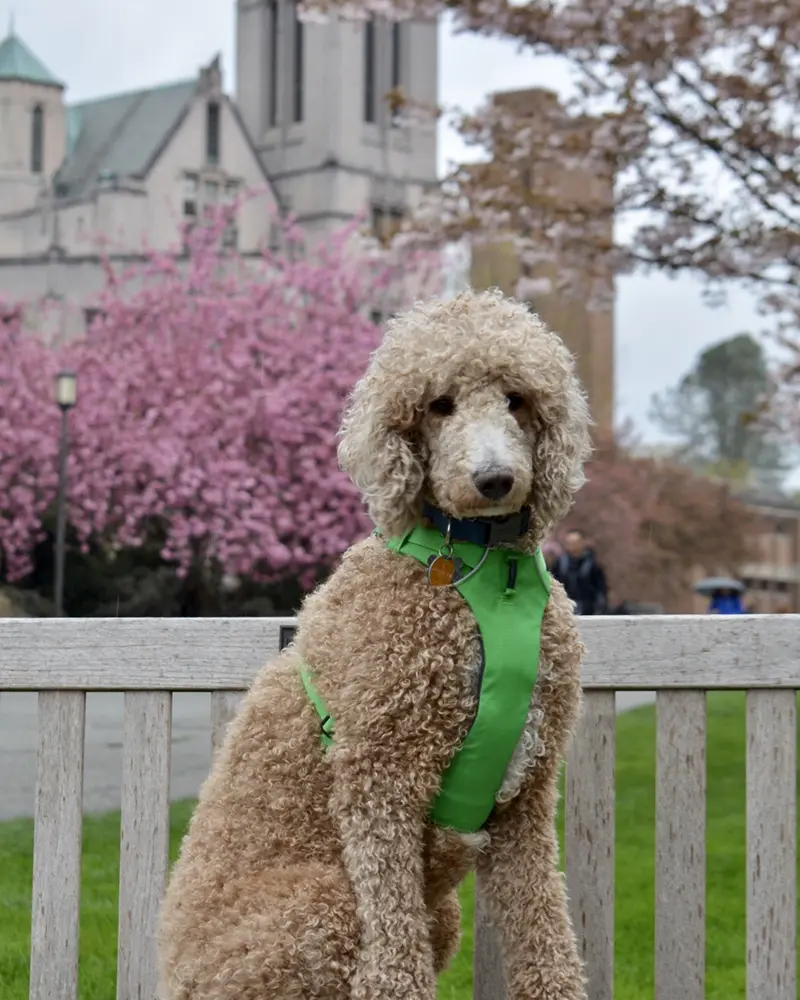
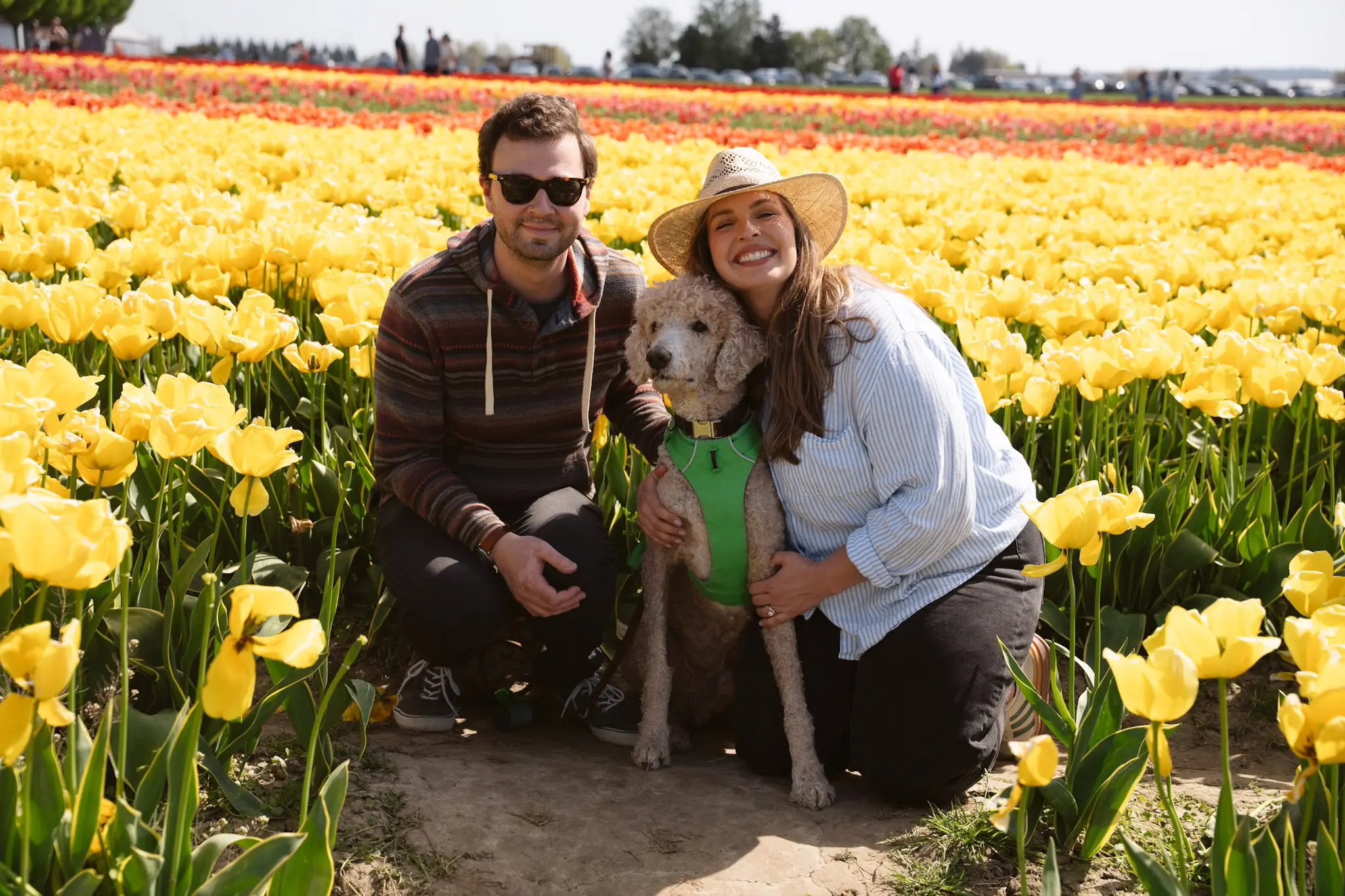
Nathalie Chapman with her Standard Poodle, Ollie.
Nathalie Chapman: “It’s really a combination. You’re designing for the animal, but also for the owner—and then the care team behind the scenes. Many of the projects I’m working on involve small-business owners and veterinarians who are opening their own clinics. They deeply care about the welfare of animals, and that shows up in the design.”
Natalie Mallory: “I think a lot of these owners are trying to create a more personalized experience. They’ve worked in bigger clinics where things move quickly, and now they want the ability to own the process and understand what’s going on with each animal.”
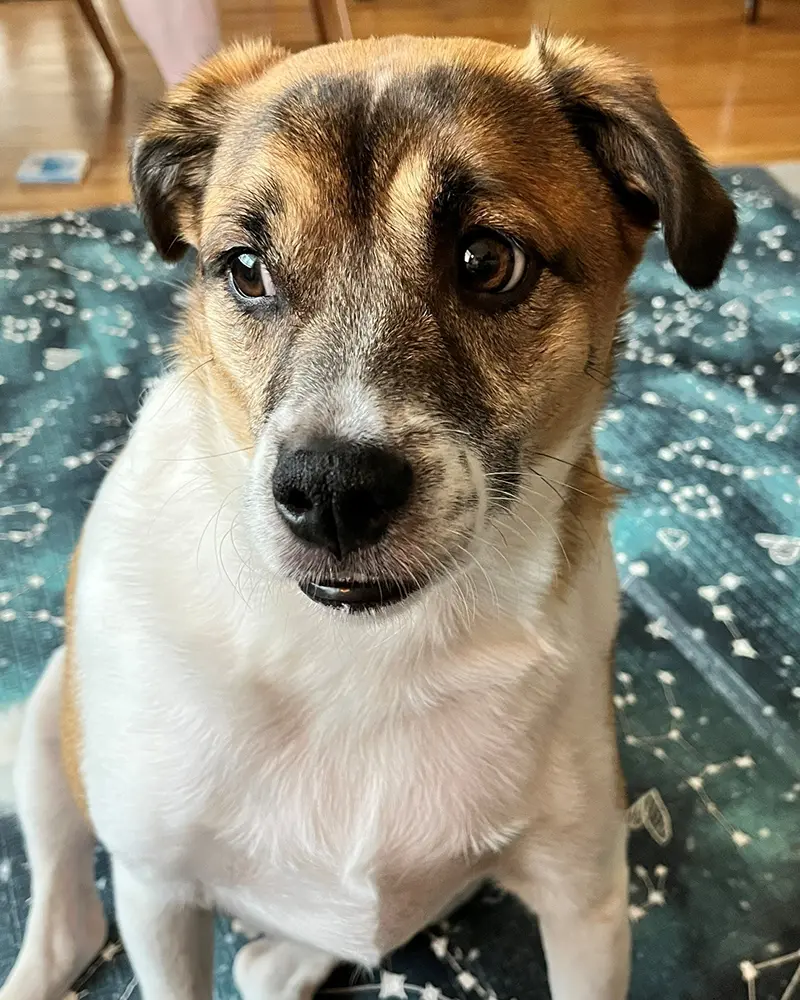
Mallory: “From a personal standpoint, I’ve seen the difference firsthand. I took my dog, Finley, to a larger clinic, and the advice was general. But when I went to a smaller, more personalized clinic, they did additional testing and found an underlying issue. That level of care changes everything. Finley and I both went from feeling like we were struggling to me better understanding how to support him and in turn improve his quality of life significantly.”
Chapman: “Veterinary visits are often emotional, whether it’s a routine checkup or an emergency. Design can reduce stress and create a sense of comfort from the moment someone walks through the door. When a space feels calm, welcoming, and intuitive, it helps pet owners and animals feel cared for – not just like they are being processed.”
When a space feels calm, welcoming, and intuitive, it helps pet owners and animals feel cared for – not just like they are being processed.
— Nathalie Chapman, Design Professional
Chapman: “The moment you walk through the door at a veterinary clinic, there are already a lot of emotions at play – for both pets and their owners. That’s why we put a lot of thought into creating spaces that feel warm, calm, and welcoming through materials, lighting, acoustics, and thoughtful layouts. Animals are incredibly sensitive to their surroundings, so even small design decisions can have a big impact. Things like separate waiting areas for cats and dogs, having visual barriers to keep cages from facing one another, or reducing loud noises can help lower stress. When we create an environment that feels calmer, it leads to a better experience for everyone involved.”
Mallory: “There are parallels to human healthcare, but with animals, you have to take it even further. You’re thinking about sound, smell, and movement in a much more intentional way.”
Chapman: “The comfort room—where people say goodbye to their pets. Every time I work on one, I get emotional. You’re designing for someone’s worst day. Comfort rooms feel less clinical with soft, residential furniture, warm, calming imagery, and private exits to maintain dignity and privacy. It’s about making that moment feel as peaceful and humane as possible.”

Mallory: “There are a lot of similarities—exam rooms, surgery, imaging—but the layout is slightly different. In veterinary clinics, the back-of-house is much more efficient. You can have multiple treatment tables in one space, which you wouldn’t see in human healthcare now without some form of separation. And I think that speaks to the added layer of privacy needed in human health care. Not going to get weighed in the lobby as a human.”
Chapman: “And there’s also more separation. For example, veterinary clinics often include isolation areas so animals with contagious conditions aren’t near others. In human urgent care, you might be sitting near someone who’s dealing with a highly contagious virus!”
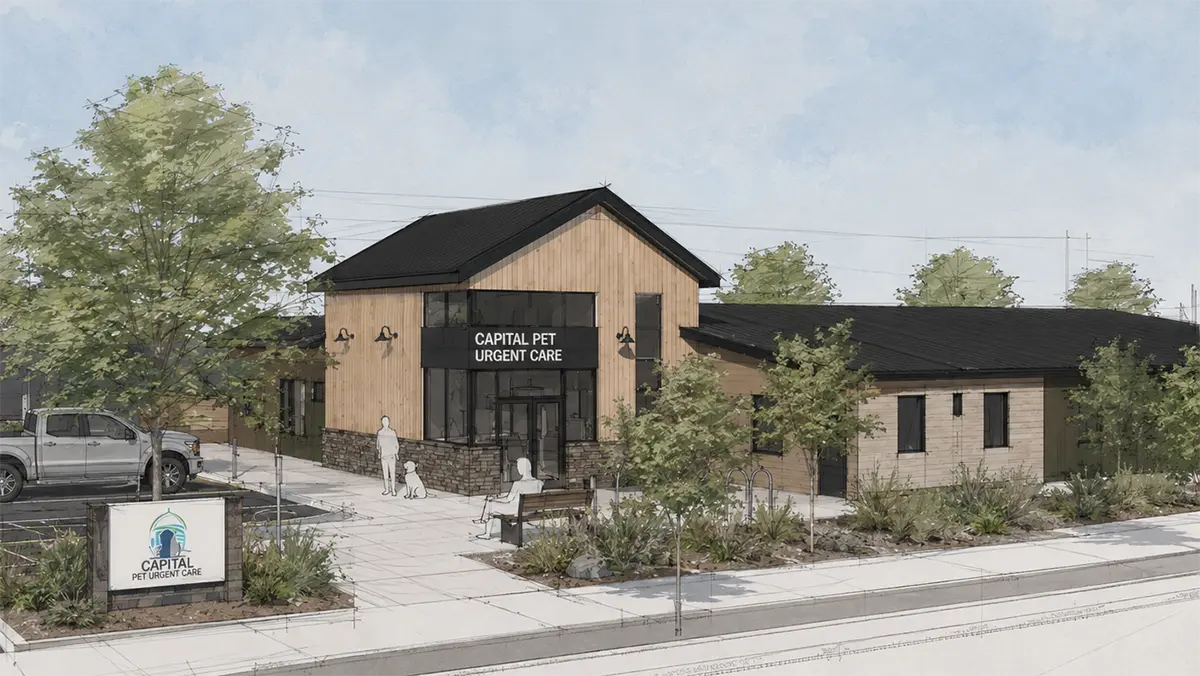
Chapman: “Pet owners continue to look for a veterinary experience that is convenient, welcoming, and less stressful. I think we’ll continue to see more clinics designed with comfortable waiting areas, dedicated spaces for cats and dogs, and technology that streamlines the visit while creating a more personalized experience. At the same time, there’s a growing emphasis on staff well-being through more efficient workflows, better break spaces, and layouts that help reduce fatigue. Flexibility is another major trend. As designers, we need to create spaces that can adapt as technology evolves and can be flexible as practices grow and their needs change.”
“The biggest trend is designing veterinary clinics around experience rather than just treatment.”
— Natalie Mallory, Interior Designer
Mallory: “I think the biggest trend is designing veterinary clinics around experience rather than just treatment. Future clinics will be more flexible, allowing spaces to serve multiple functions, while also being more intentional about reducing stress through sensory-focused design. We’ll see more personalized, engaging environments—spaces that support diagnostics, allow animals to be observed more naturally, and create a calmer, more welcoming experience for pets, owners, and care teams alike.”
Chapman: “Personalization is another trend I’m excited about. Simple details can make the experience feel much more personal, like displaying a pet’s name outside the exam room or incorporating thoughtful touches that make clients feel like their pet is truly seen and cared for. There’s also an opportunity to bring a sense of warmth and even playfulness into veterinary spaces. Through branding, graphics, artwork, or other creative design elements, clinics can reflect the personality of the practice and create an environment that feels welcoming instead of intimidating.”
Mallory:
“Animals naturally bring joy, and the design can reflect that. It can make the whole experience feel lighter.”

Nathalie Chapman is a Design Professional who specializes in veterinary and animal care design. She partners with practice owners to create functional, welcoming environments that support pets, their owners, and veterinary teams. Based in the Seattle area, she enjoys exploring the Pacific Northwest with her husband and their Standard Poodle, Ollie.

Natalie Mallory, is a Registered Interior Designer with a passion for designing healthcare environments that enhance comfort, function, and experience. A lifelong animal lover, she grew up riding and raising horses and now shares her home with two dogs, Graham Cracker and Finley, and two cats, Juno and Tiger Lily.
“Animals naturally bring joy, and the design can reflect that. It can make the whole experience feel lighter.”
- Natalie Mallory, Interior Designer
Share
Related
