Unlocking Efficiency Inside Industrial and Manufacturing Facilities
For many industrial and manufacturing facilities, logistics can hamper growth and production capacity.

For many industrial and manufacturing facilities, logistics can hamper growth and production capacity.
Trucks back up. Routes feel inefficient. Drivers struggle to navigate the site.
Small delays add up, and suddenly the ability to move product in and out becomes the real bottleneck. That’s where a Traffic Logistics Study comes in.
Shive-Hattery traffic engineer Eric Munchel believes traffic logistics studies can uncover inefficiencies in industrial and manufacturing facilities, increase throughput, and help stakeholders make more informed decisions — often without the need for major capital expansion.
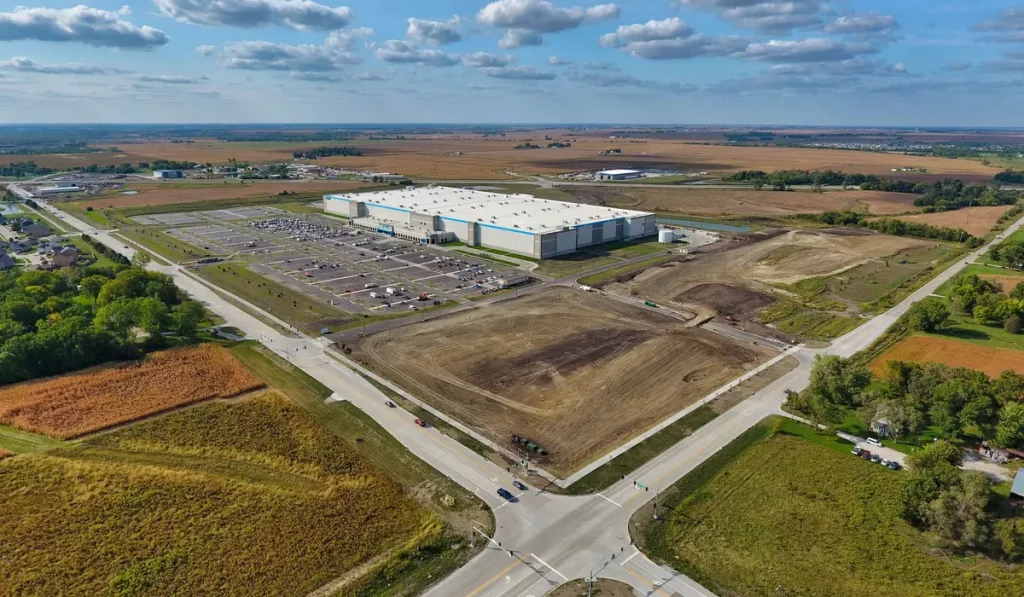
A traffic logistics study focuses on how your facility operates internally.
Unlike a traditional traffic impact study, which looks at how a site affects surrounding public roads, a traffic logistics study examines how trucks, materials, and people move within your site.
As Eric explains, “It’s really about how product moves through your facility. How it comes in, how it gets processed, and how it gets out. We look at where time is being lost and how to remove those inefficiencies.”
These studies take a systems-level view of operations, examining every aspect of the puzzle to enhance overall flow.
Traffic logistics studies are especially valuable for:
They’re particularly effective for facilities that have grown over time — adding buildings, roads, tanks, or docks as needs evolved.
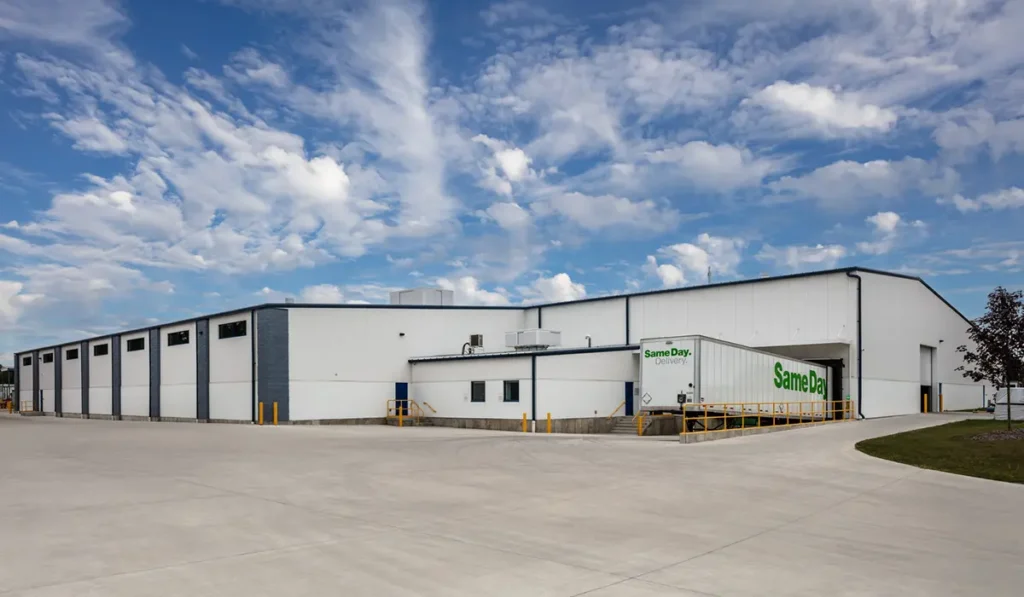
“A lot of industrial sites weren’t built all at once,” Eric notes. “They grow piece by piece. Eventually, something stops working the way it should.”
Facilities often reach out when they’re experiencing issues like:
Individually, these may feel manageable. But even small inefficiencies compound quickly.
“If you shave two or three minutes off a single truck route, that doesn’t sound like much,” Eric says. “But multiply that by 100 trips a day, and now you’re talking about hours—or days—of lost time saved.”
Each study is tailored to the facility, but commonly includes:
The goal is to ensure that logistics support production, rather than limit it.
The most valuable insights often come from the people who live the operations every day. Eric describes the process as highly collaborative.
“We start by talking with operations managers and staff who run the site day to day. They know where the pain points are.”
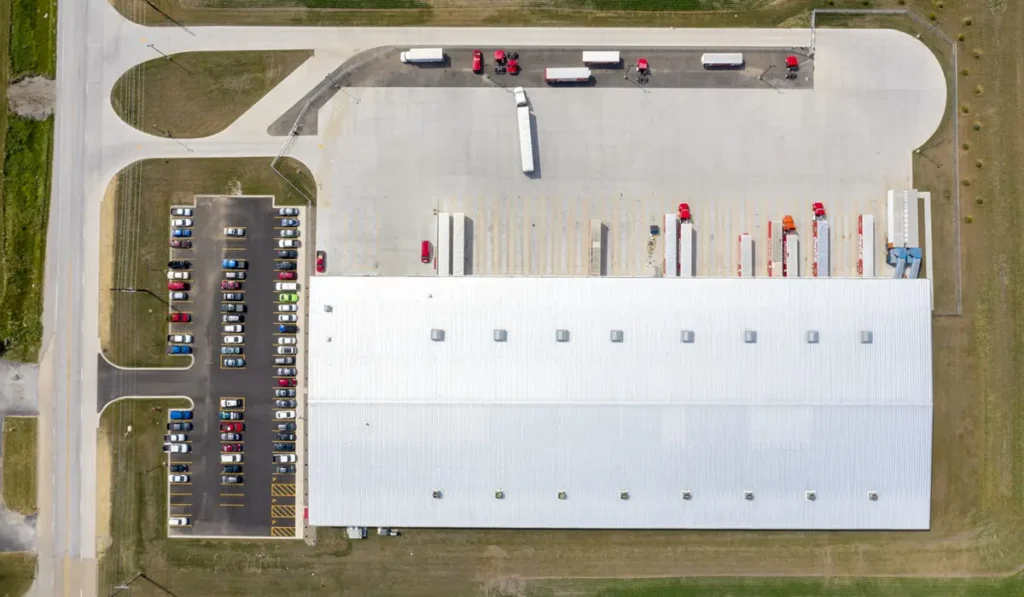
Depending on access and safety requirements, the team may use:
One recurring insight: trucks rarely behave the way plans assume they do.
“You can draw a perfect line on paper,” Eric explains, “but a 53-foot trailer doesn’t move like that. Those extra maneuvers can add minutes every time.”
Traffic logistics studies don’t just focus on incremental fixes. Shive-Hattery’s approach starts with big-picture thinking.
“We encourage clients to think as if money weren’t the constraint—just for a moment,” Eric says. “Start big, then narrow it down.”
Recommendations often include:
In one recent case, simply reorganizing a parking layout created space for roughly 150 additional stalls without expanding the site footprint.
“Start by observing how your site actually operates. Not how you think it operates,” Eric added.
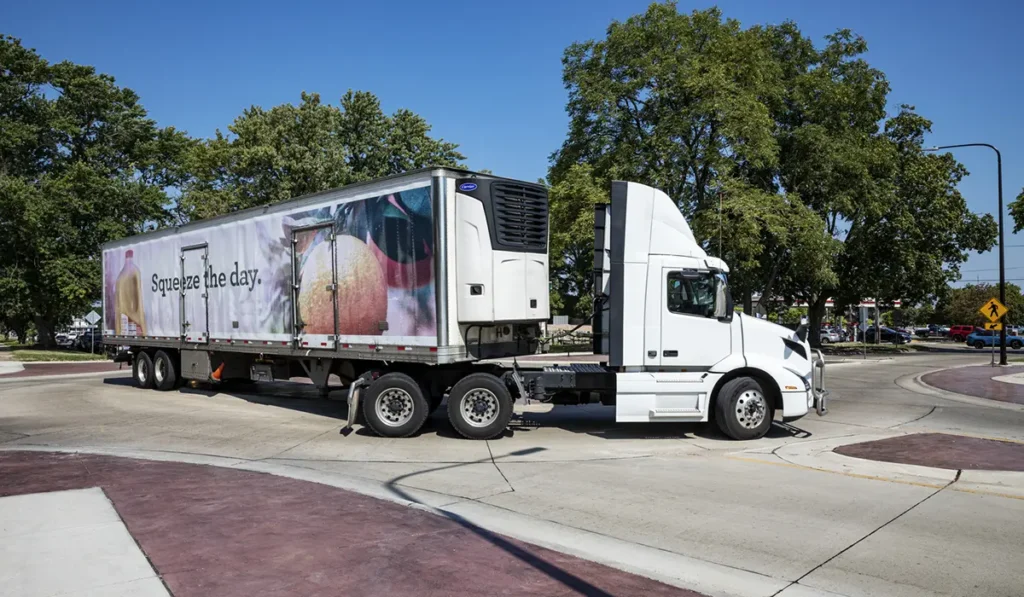
Watching real truck movements often reveals inefficiencies that aren’t obvious on paper. Pair that observation with big-picture thinking, and meaningful improvements frequently follow.
“Before building a new facility or spending millions,” Eric advises, “it’s worth asking if your site is operating as efficiently as it could be.”
A traffic logistics study is especially valuable when:
Moving Forward
With data, on-the-ground insight, and outside-the-box thinking, Shive-Hattery can help clients move product faster, safer, and smarter.