Growing Leaders
Inside Shive-Hattery’s Leadership Development Program

Inside Shive-Hattery’s Leadership Development Program
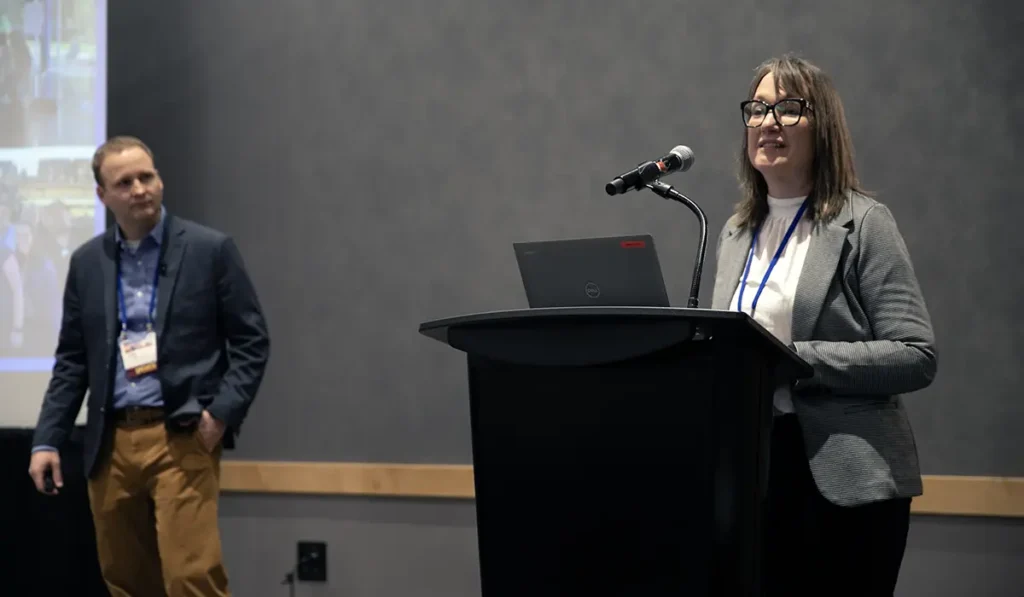
At the APWA Iowa Spring Conference, Shive-Hattery President Jennifer Bennett and Public Infrastructure Director Nathan Hardisty asked the question many organizations are facing:
How do you intentionally develop leaders before you need them?
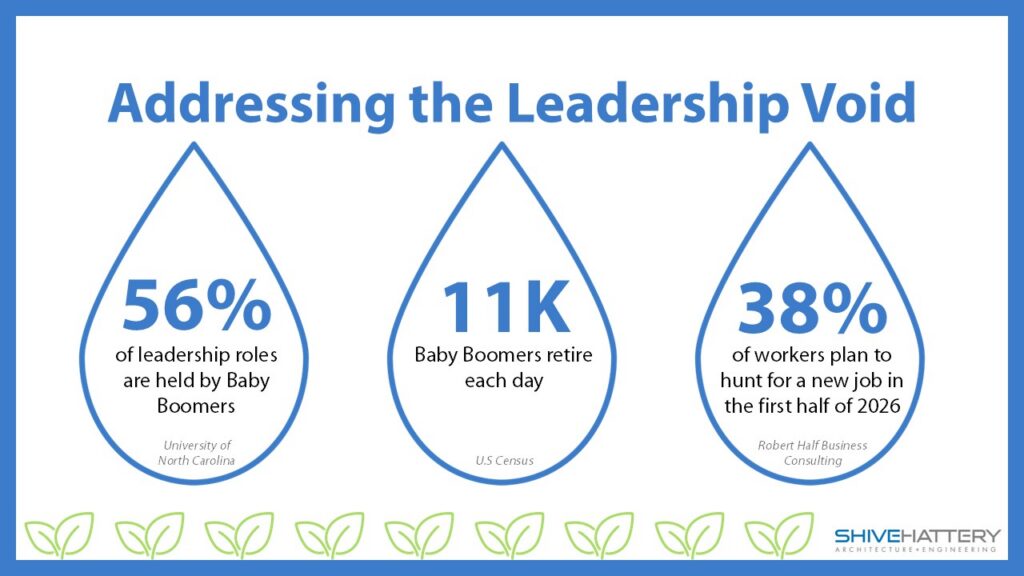
Across industries, leadership gaps are growing. More than half of leadership roles are held by Baby Boomers, thousands are retiring each day, and a significant portion of the workforce is considering job changes.
For many organizations, leadership development has traditionally been reactive. People are promoted, then expected to figure it out on their own.
At Shive-Hattery, that approach started to shift.
“Nearly thirty years ago, we saw our leadership pipeline running dry, and our leadership development program was a result to solve that challenge,” said Jennifer Bennett. “We needed to be intentional about developing leadership for the next generation. Today, the program affects how we develop leaders at all levels.”
The Leadership Development Program (LDP) wasn’t created overnight. It evolved from years of investing in people through coaching, mentoring, and internal initiatives to build a stronger, more connected organization.
The goal was to build a learning organization in which leadership is consistently developed across teams.
Nathan Hardisty shares insights on developing leaders through real-world experience and intentional growth.
The program’s structure reflects that intention.
“One of the most valuable parts is bringing together people who don’t normally work together,” said Nathan Hardisty. “It builds relationships across the firm and helps people see challenges from different perspectives.”
The program focuses on practical leadership skills rather than theory.
Core topics include:
Each session combines discussion, reflection, and application, giving participants a chance to connect what they’re learning directly to their day-to-day work.
“A lot of leadership comes down to how you handle real situations,” Hardisty said. “Conversations, decisions, accountability. That’s what people are dealing with every day.”
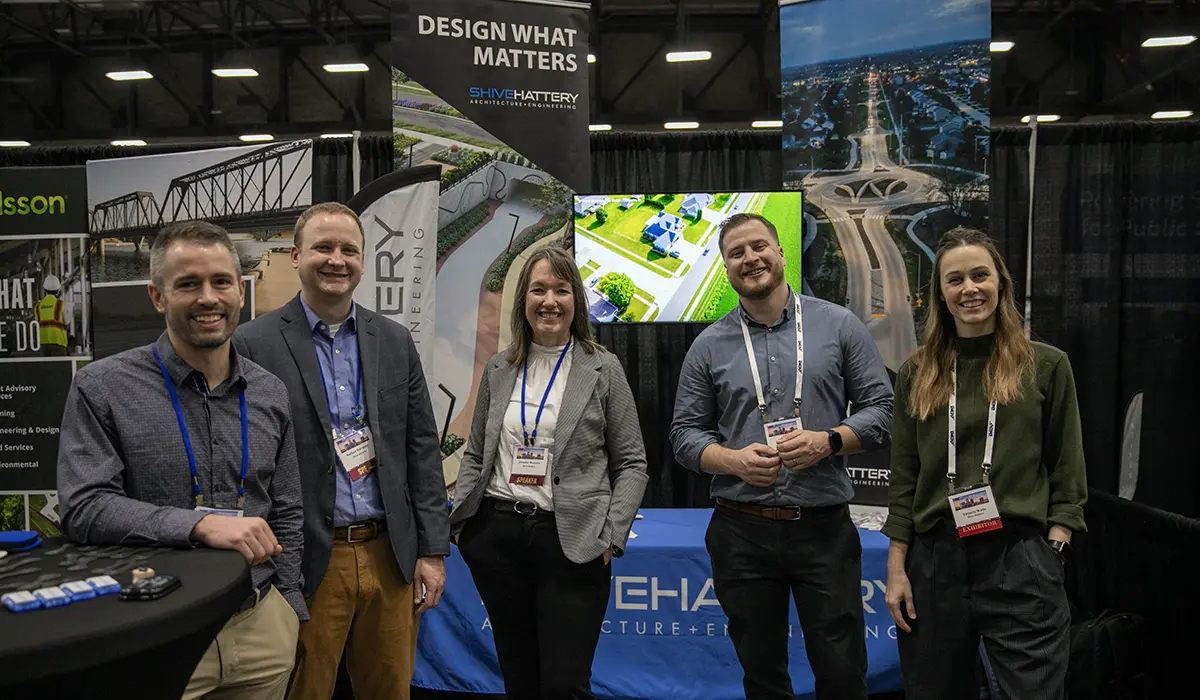
One of the program’s defining principles is that leadership isn’t tied to title.
“We talk a lot about leadership at all levels,” Bennett said. “It’s about how people show up, how they support their teams, and how they make decisions.”
By developing leadership broadly across the organization, Shive-Hattery has created more consistency in how teams communicate, collaborate, and solve problems.
The program’s impact has been measurable and visible.
More than 170 current leaders within the firm have participated in the program, including executives, business unit directors, technical experts, and project managers.
“We know it’s working because we see it in how our teams operate,” Bennett said. “There’s more alignment, more trust, and more confidence in decision-making.”
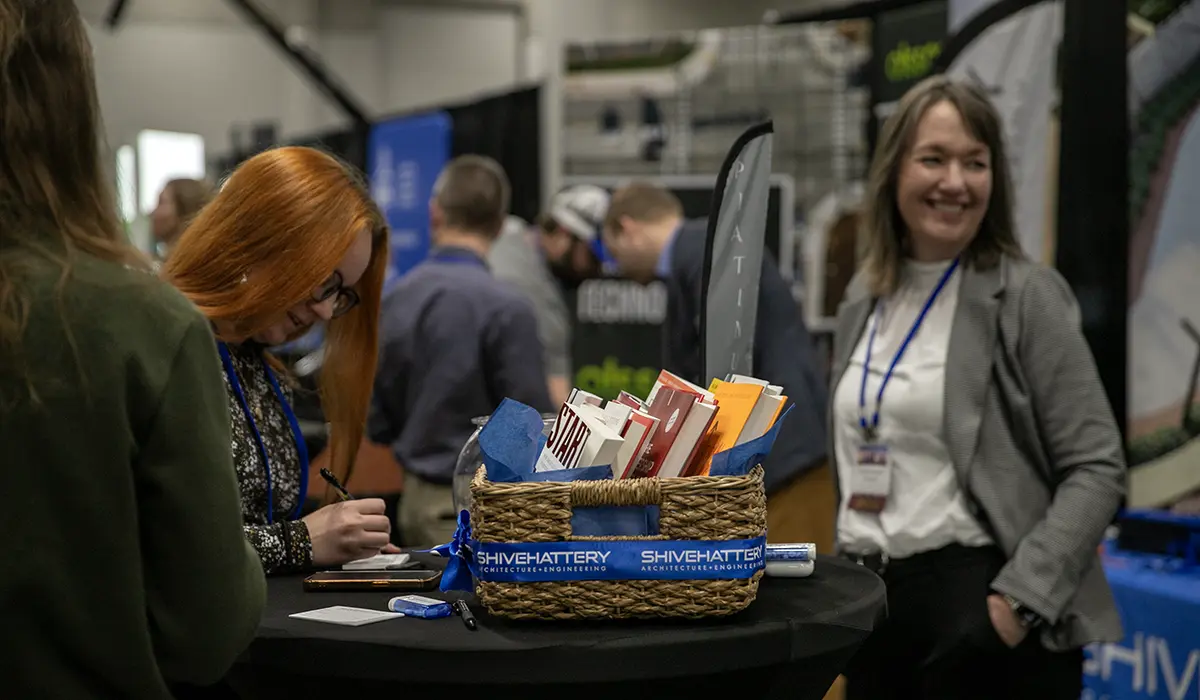
While the LDP is structured and long-term, organizations don’t need to build a full program to begin.
“You don’t have to start with something this formal,” Bennett said. “Leadership development can start small. It just needs to be intentional.”
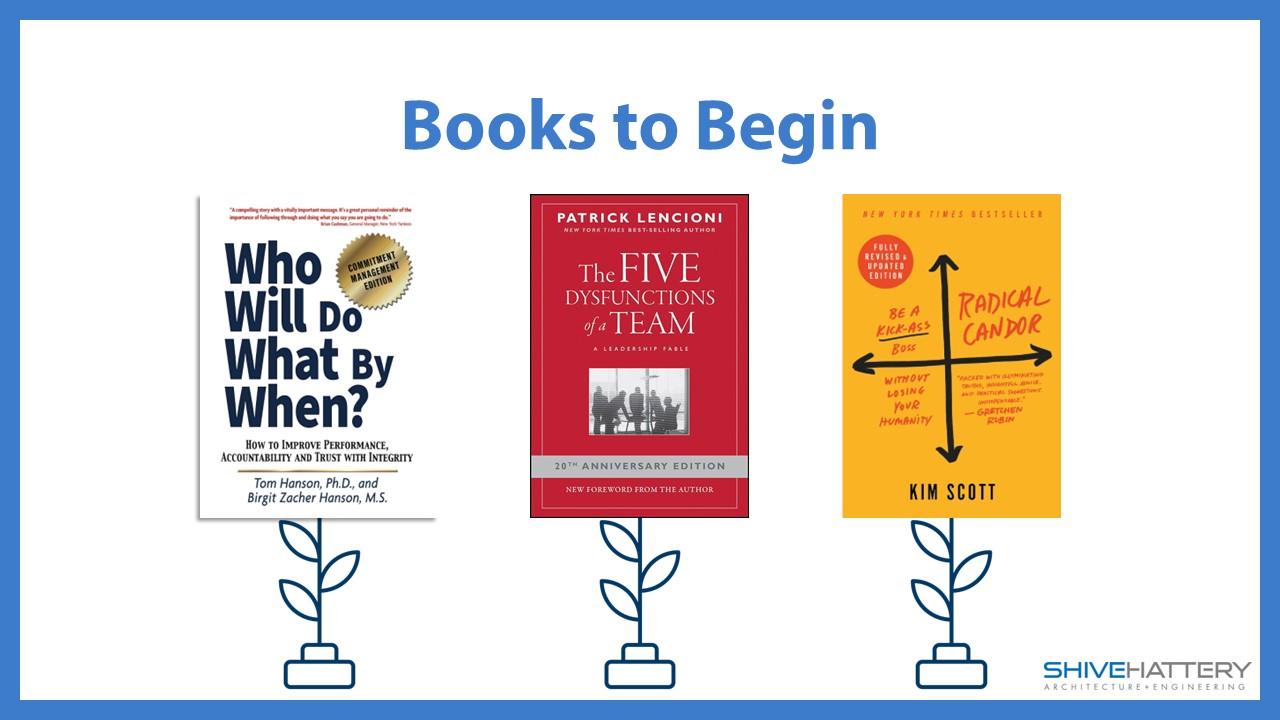
That might look like:
As organizations navigate workforce transitions and increasing complexity, leadership development is becoming less of an option and more of a necessity.
“At the end of the day, we’re all trying to build strong teams,” Hardisty said. “And that starts with being intentional about how we develop people.”
For municipalities and other organizations, the takeaway isn’t to replicate this program, but rather to start building leadership capacity in a way that fits your organization.
Leadership doesn’t develop by accident, and it can start with one intentional step.