
Lead will slow down your project. Luckily, finding out if you have lead is quick.
Our experts manage the complicated (and sometimes changing) regulations for buildings that could have lead in the paint or water. Whether you’re seeking testing for compliance or peace of mind, we’ve got you covered with minimally-invasive testing and support for next steps.
Lead-based paint
A little history lesson: Lead was commonly used in paint and other building materials until it was banned for residential use in 1978. As a result, painted materials in buildings constructed prior to 1978 are presumed to contain lead‑based paint unless testing confirms otherwise. (ie, guilty until proven innocent!) Lead‑based paint is commonly found on interior and exterior surfaces such as walls, windows and window components, doors, glazed block, and exterior building materials.
Lead-based paint isn’t harmful just sitting on the walls. However, when lead‑based paint is disturbed during renovation, maintenance, or repair activities, its dust and debris pose serious health risks. Exposure to lead can result in significant, long‑term health effects, particularly for young children.
Lead paint in schools

In child‑occupied facilities—spaces regularly used by children under six years of age—identifying lead‑based paint is especially important and can be mandatory.
For example, in Iowa, Under Iowa Administrative Code Chapters 69 and 70, lead inspections are required prior to disturbing painted materials above regulatory thresholds. Early identification of lead‑based paint helps support project planning, scheduling, and compliance.
When Is Lead-Based Paint Testing Required?
Lead‑based paint testing may be required or strongly recommended in these situations:
- Buildings constructed prior to 1978
- Renovation or maintenance activities that will disturb painted surfaces
- Child‑occupied facilities, including schools, daycares, and preschools
- Projects disturbing more than one square foot of painted material in regulated spaces
- OSHA compliance evaluations for worker exposure assessment
- Pre‑design or pre‑construction planning to avoid schedule delays or change orders
Testing early in the project lifecycle reduces uncertainty, supports regulatory compliance, and helps prevent costly project interruptions.
Our Process
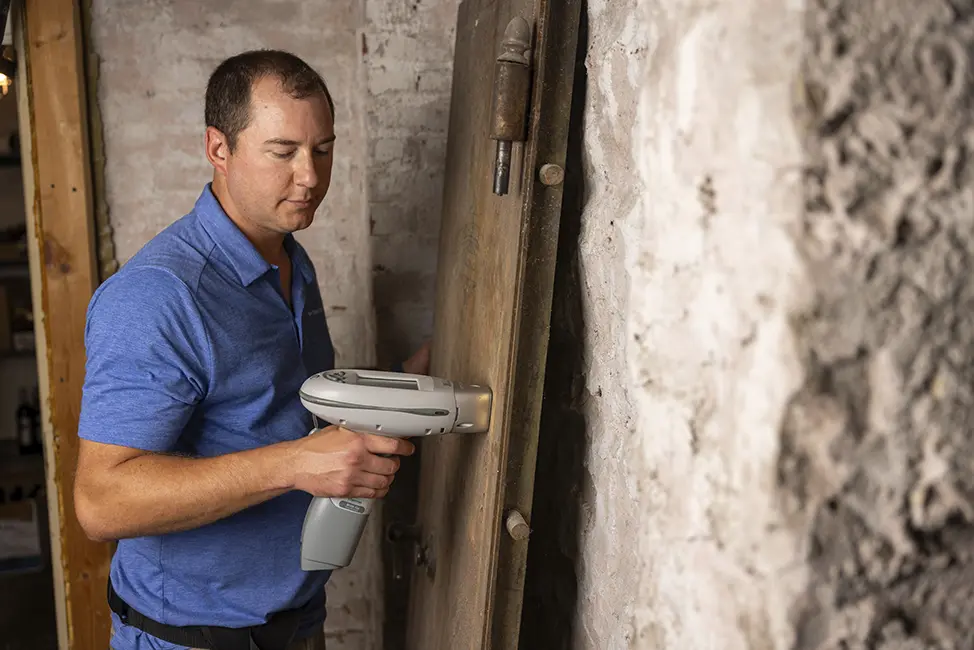
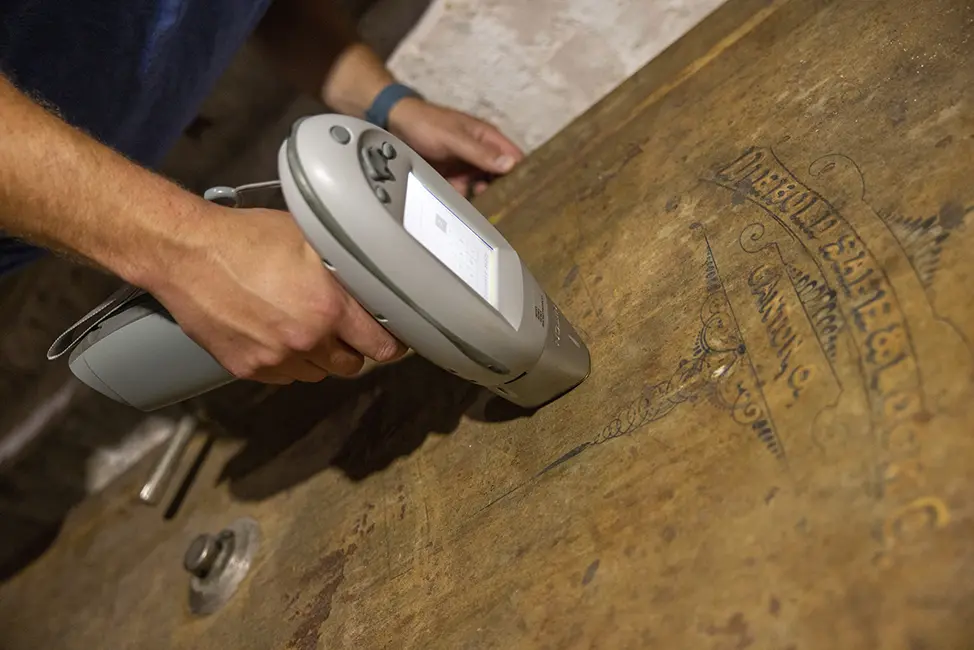
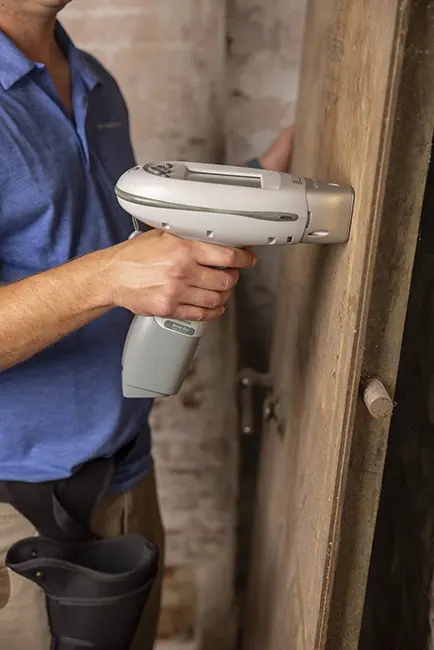
Our licensed lead inspectors use advanced X‑ray fluorescence (XRF) technology to quickly and non‑invasively identify lead‑based paint on building surfaces, as well as lead in soil. This provides accurate, defensible data with minimal disruption to building occupants and operations.
This data helps owners, designers, and contractors evaluate potential exposure risks, develop job hazard analyses, and implement appropriate work practices and controls in accordance with OSHA lead standards.
Our licensed lead risk assessors can also evaluate the condition of lead‑based paint and provide practical recommendations for:
- Interim controls
- Remediation or abatement, as appropriate
- Ongoing management
Clear, concise reports are delivered promptly to support informed decision‑making, regulatory documentation, and safe project execution.
Lead in Drinking Water
Schools and other facilities served by public water systems may be subject to the EPA’s Lead and Copper Rule, a federal regulation requiring routine monitoring and public education to manage lead risks in drinking water. These requirements apply nationwide, and are administered at the state or local level. State requirements for lead in drinking water testing vary by jurisdiction and are subject to change. We’ll help you navigate both federal requirements and state‑specific implementation.

In addition to regulatory monitoring, many school districts and facility owners choose to test their drinking water voluntarily. This is a smart proactive measure, especially in older facilities with legacy plumbing materials.
When Is Lead in Water Testing Required or Recommended?
Lead in drinking water testing may be required or recommended when:
- A facility is served by a public or community water system
- Federal or state Lead and Copper Rule requirements apply
- Schools or child‑occupied facilities are involvedOlder buildings or fixtures may contain legacy plumbing materialsRisk management or public assurance is advised (ie, a school district)
- Elevated results require follow‑up sampling or response actions
Our Process
Our experts work on both district-wide and single-school projects. A typical school has 20-30 water sources that require testing. We can usually collect all water samples from a school in half a day, and return test results to you within two weeks. Often, school districts schedule this work over summer vacation – causing even less disruption, and giving us and school leaders time to work together on solutions if tests reveal high concentrations of lead.
Shive‑Hattery assists clients with:
- Development of regulatory‑compliant sampling plans
- Coordination with certified laboratories
- Interpretation of results in the context of applicable federal and state action levels
- Support for regulatory reporting and stakeholder communication
Our team helps clients understand testing results and identify practical, risk‑based next steps when elevated lead concentrations are identified, whether required by regulation or pursued as a best management practice.
Contact us for all of your lead service needs.

Stay in Touch for Monthly Shive-Hattery Industry Insights
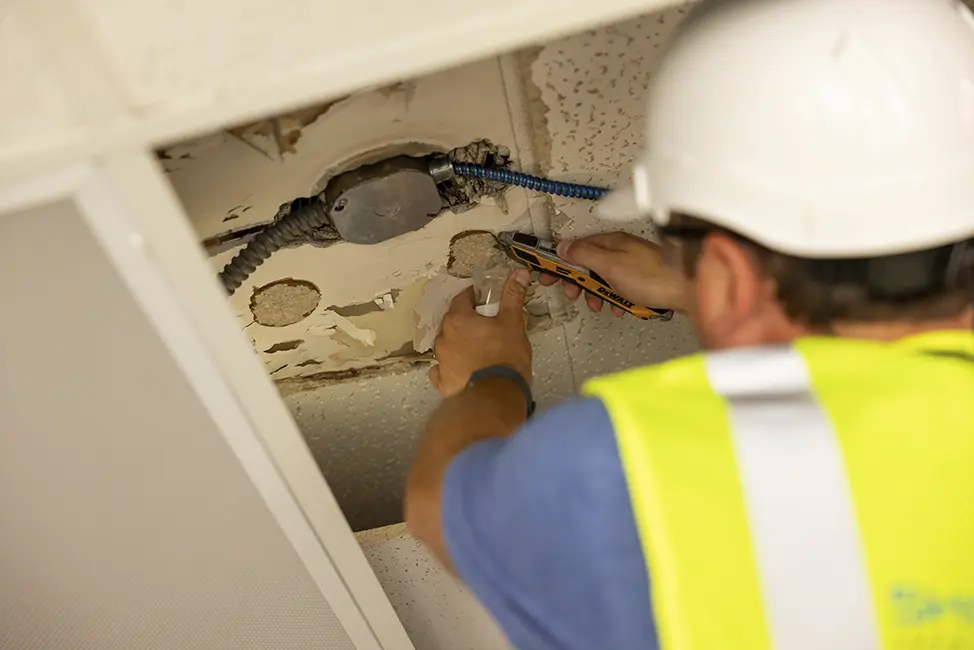
Asbestos Consultation & Management Planning
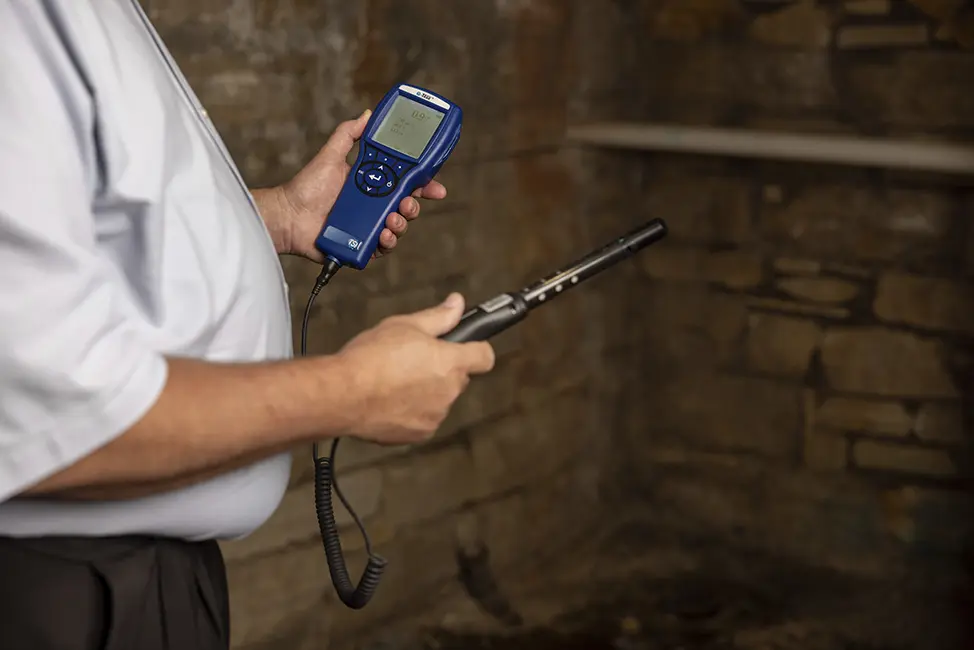
Indoor Air Quality
More Environmental Services Projects
Creating the foundations that support community growth.
We're Learning, Growing + Sharing
Stay on top of the latest industry trends as we share how we are staying ahead of them.

What Mentoring a Nurse Taught a Healthcare Designer About Better Design
Healthcare
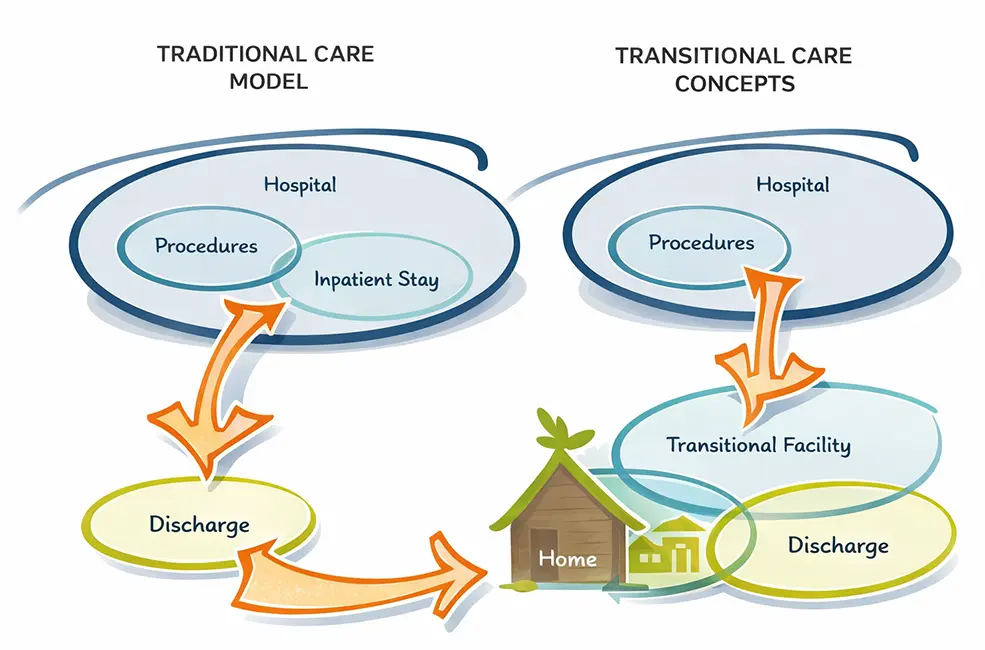
Building for Where Care is Going
Healthcare

Shive-Hattery’s Tucson Office Featured by AZ Big Media
Workplace