Isaac Hodgins, PE
Civil Engineer + Industrial Development Civil Group Leader
Cedar Rapids, IA


Civil Engineer + Industrial Development Civil Group Leader
Cedar Rapids, IA
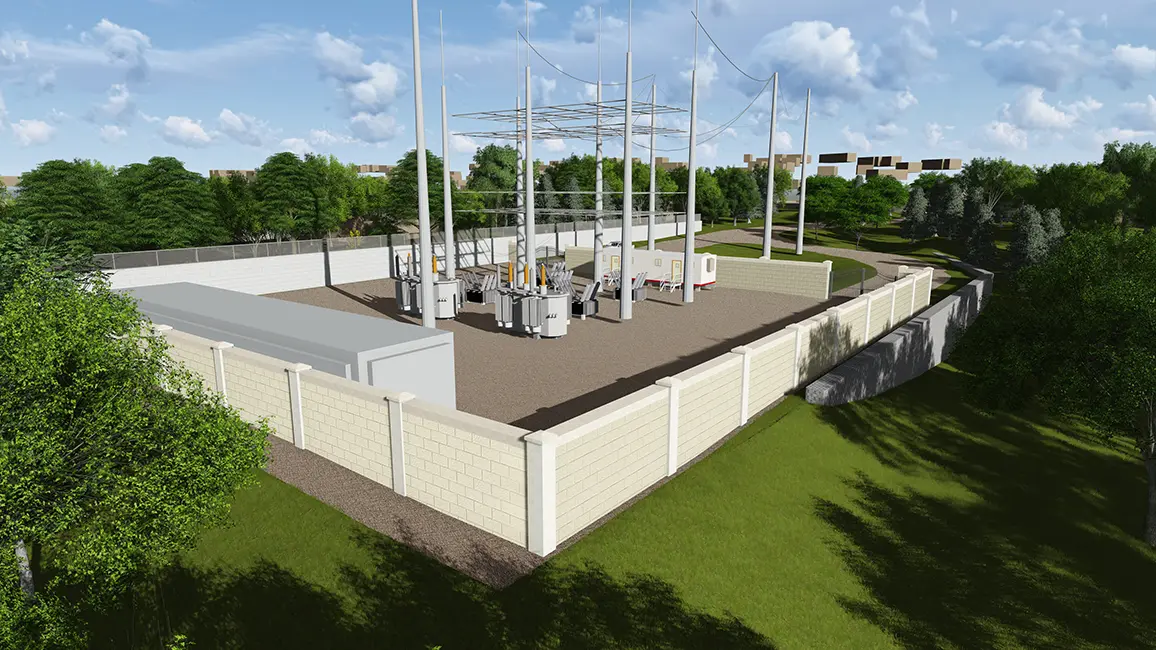
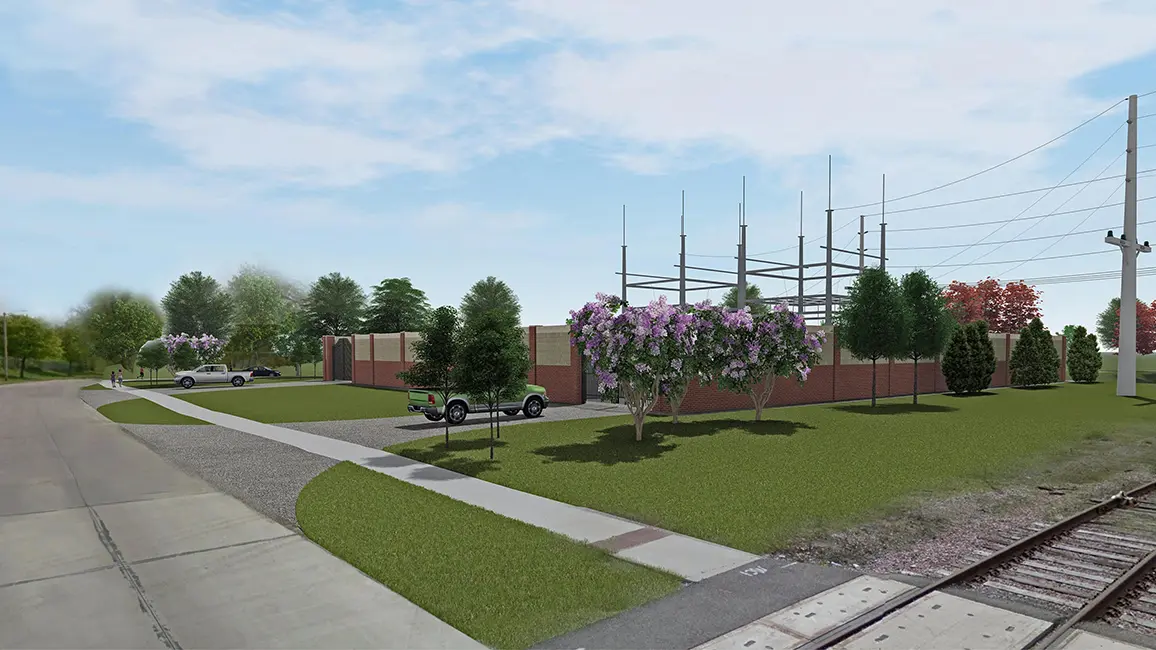
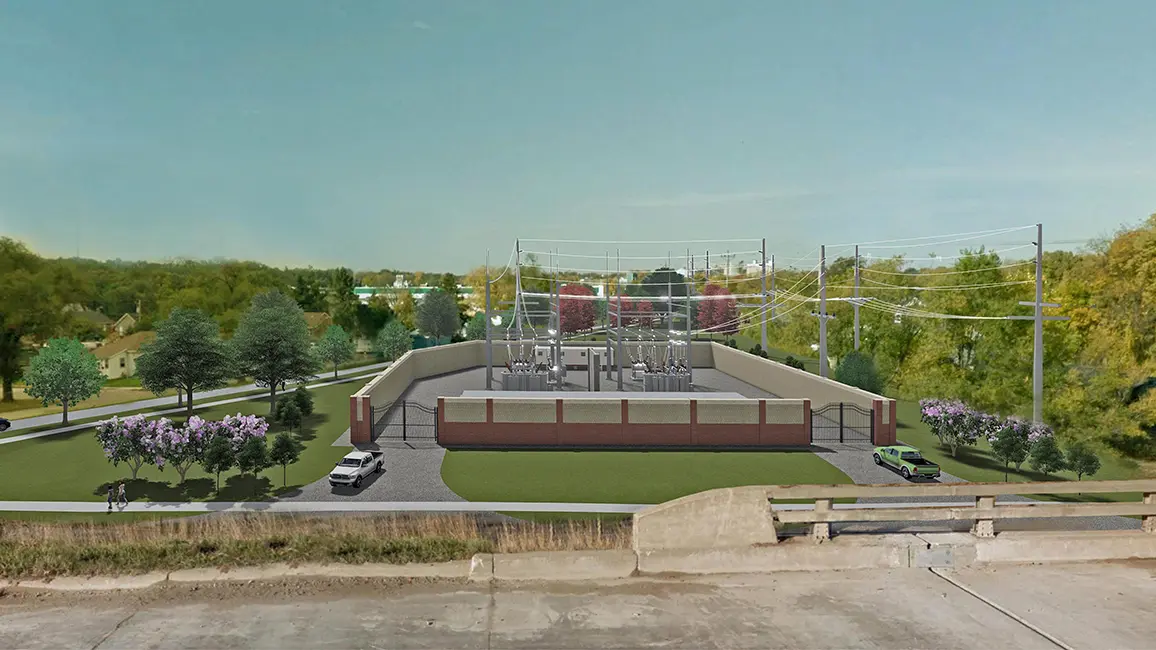
Substations do not have to be eyesores.
Utility infrastructure can meet performance requirements while fitting surrounding communities through deliberate civil site planning. Visual impact, access, drainage, and permitting conditions often influence public perception and approval timelines. Early planning that considers context and visibility supports smoother approvals and reduced project risk.
Isaac Hodgins is a civil engineer specializing in site development for utility, industrial, and commercial projects. He brings more than 20 years of experience delivering complex infrastructure. His work includes civil site leadership for more than 100 substation projects in developed and community‑sensitive environments.
Substation site design integrates technical systems with contextual considerations, including:
Substations, done the neighborly way
Today’s substations can’t afford to be eyesores. (This is increasingly true for data centers, too.) Our teams have created beautiful solutions from Iowa to Arizona, solving visual challenges from substations to warehouses to data centers. Often, it’s this level of design thoughtfulness – decorative brick, long driveway setbacks, mature trees – that helps soften reactions and open dialog between concerned stakeholders.
These considerations help energy providers deliver reliable infrastructure while addressing visual impact and community expectations early.

“Every energy company I’ve worked with wants to be a good neighbor. Being their go-to for not just functional but attractive and community-approved designs is rewarding.”

Isaac Hodgins, Civil Engineer + Industrial Development Civil Group Leader | Shive-Hattery
From critical infrastructure to training centers and office environments, Shive‑Hattery supports energy providers across the many facility types you manage.

ComEd announced that it has been awarded LEED Gold green building certification for its Chicago Training Center (CTC) building.